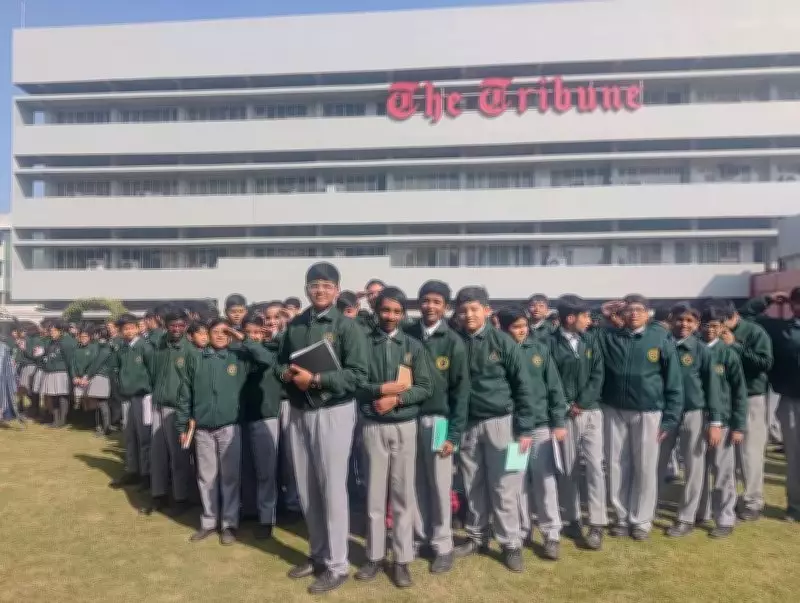
Educational Trip Organized for Students to Enhance Learning Experience
In an initiative aimed at enriching the educational journey of students, a school recently organized an educational trip. This excursion was designed to provide students with hands-on learning opportunities and real-world exposure, moving beyond the confines of traditional classroom settings.
Objectives of the Educational Trip
The primary goal of this educational trip was to foster experiential learning among students. By visiting relevant sites or institutions, students could directly observe and engage with concepts they have studied in their curriculum. This approach helps in reinforcing theoretical knowledge through practical application, making learning more interactive and memorable.
Key benefits of such trips include:

- Enhanced understanding of academic subjects through real-life examples.
- Development of critical thinking and problem-solving skills in new environments.
- Opportunities for social interaction and teamwork among peers.
- Exposure to diverse perspectives and cultures, broadening students' horizons.
Impact on Student Development
Educational trips play a crucial role in the holistic development of students. They not only supplement academic learning but also contribute to personal growth. Students gain confidence by navigating unfamiliar situations and learn to adapt to different scenarios. Moreover, such experiences can spark curiosity and inspire future career interests, as students are introduced to various fields and professions firsthand.
Teachers and school administrators have noted that these trips often lead to improved engagement in classroom activities post-trip. Students return with a renewed enthusiasm for learning, having seen the practical relevance of their studies. This can result in better academic performance and a more positive attitude towards education overall.
Planning and Execution
The organization of the educational trip involved careful planning to ensure safety and educational value. School authorities collaborated with experts and site managers to design an itinerary that aligns with the students' learning objectives. Pre-trip briefings were conducted to prepare students for what to expect, and post-trip discussions were held to reflect on the experiences and integrate them into the curriculum.
Essential steps in organizing such trips include:
- Selecting destinations that complement the school's educational goals.
- Ensuring all safety protocols and permissions are in place.
- Involving parents and guardians in the planning process for transparency.
- Providing adequate supervision by teachers and staff throughout the trip.
By following these guidelines, the school successfully created a meaningful and secure learning experience for the students.
Future Prospects
Looking ahead, the school plans to continue organizing educational trips as a regular part of its academic program. There is a growing recognition of the importance of such experiential learning methods in modern education. Future trips may include visits to museums, science centers, historical sites, or industrial facilities, depending on the subjects and interests of the students.
This commitment to educational trips underscores the school's dedication to providing a well-rounded education that prepares students for real-world challenges. It highlights the evolving nature of learning, where traditional methods are complemented by innovative approaches to foster lifelong learners.