Goa Implements Supreme Court Mandate for Menstrual Hygiene in Schools
In a significant move to promote health and dignity for female students, the Directorate of Education (DoE) in Goa has issued a comprehensive directive to all state schools. The order mandates the provision of menstrual hygiene facilities, including free biodegradable sanitary napkins, in alignment with recent Supreme Court guidelines.
Key Requirements for Schools
The DoE circular outlines several critical measures that schools must implement:
- Functional Toilets: All schools must maintain gender-segregated toilets with reliable water connectivity and handwashing facilities equipped with soap and water at all times.
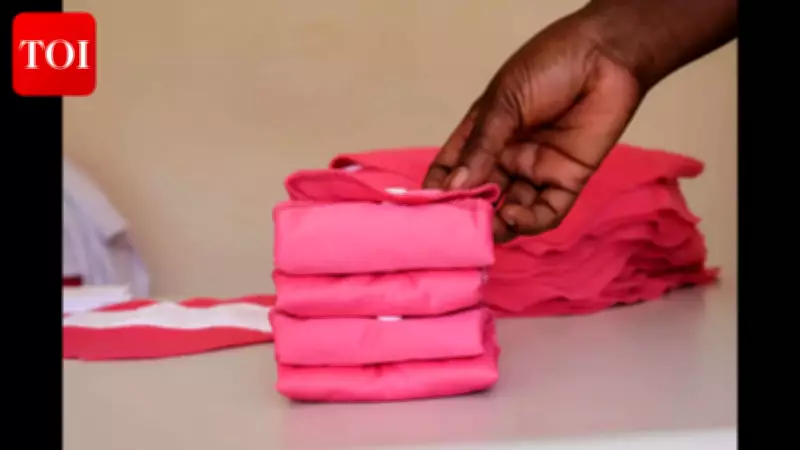
- Free Sanitary Napkins: Biodegradable sanitary napkins, manufactured to ASTM D-6954 standards, must be provided free of cost to girl students. These should be accessible through vending machines within toilet premises or at designated school locations if installation is not immediately feasible.
- Menstrual Hygiene Management Corners: Schools are required to establish dedicated MHM corners stocked with essential items such as spare innerwear, uniforms, disposable bags, and other necessary materials to address menstruation-related needs.
- Waste Management: Each toilet unit must have a covered waste bin for sanitary material disposal, with regular maintenance and cleanliness ensured.
Background and Legal Framework
This directive stems from a Supreme Court judgment earlier this year, which issued binding directions to all states and union territories to ensure menstrual hygiene facilities in both government and private schools. The court linked access to these facilities to Section 3 of the Right to Education Act, emphasizing their importance for educational equity.

Additionally, the National Council of Educational Research and Training (NCERT) and State Councils of Educational Research and Training (SCERT) have been instructed to incorporate gender-responsive curricula on menstruation and puberty. This aims to break societal stigma and promote awareness among students.
Implementation and Oversight
To ensure compliance, District Education Officers (DEOs) are tasked with conducting annual inspections of schools. These inspections will include anonymous feedback from students, providing a mechanism to assess the effectiveness of the implemented measures and address any gaps.
The DoE's proactive steps in Goa set a precedent for other regions, highlighting a growing national focus on integrating health and hygiene into the educational environment. By addressing menstrual hygiene comprehensively, the initiative seeks to foster a supportive and inclusive atmosphere for all students.