Haryana Launches Comprehensive Survey to Evaluate Mid-Day Meal Kheer and Pinni
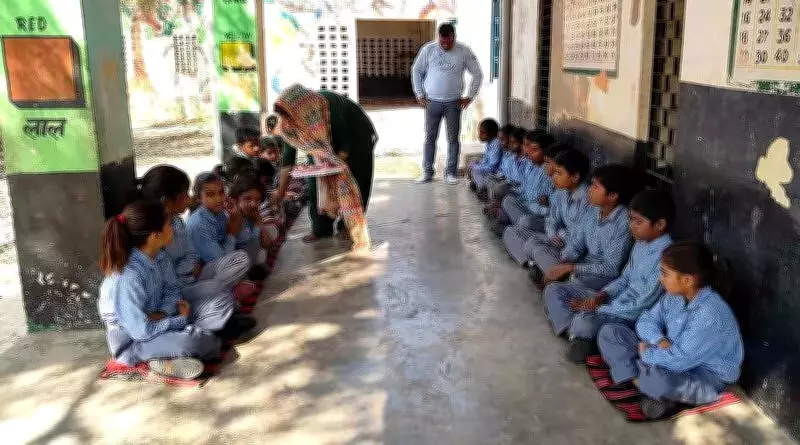
The Directorate of Elementary Education in Haryana has mandated a state-wide survey to rigorously assess the quality and distribution of kheer and peanut pinni served to students once a week under the mid-day meal scheme in government schools. This initiative aims to ensure that these supplementary food items meet high standards of taste, hygiene, and nutritional value, with the goal of enhancing the overall effectiveness of the scheme.
Survey Scope and Methodology
Maharshi Dayanand University (MDU) has been entrusted with conducting the survey, which will cover students from Classes III to VIII across the state. District elementary education officials have been instructed to provide a list of schools where these items are served and to fully cooperate with the survey teams. The department has set a strict timeline, requiring the exercise to be completed and a final report submitted by March 31, 2026.
Leading the survey is Sandeep Malik, professor and director at the Institute of Hotel and Tourism Management and Chaudhary Ranbir Singh Institute of Social and Economic Change at MDU. Vice-chancellor Som Nath Sachdeva emphasized that the university will employ a structured, field-based research approach to guarantee reliable and evidence-based findings.

Objectives and Expected Outcomes
The primary aim of this survey is to generate credible data that will assist the government in reviewing the distribution system and improving the implementation of the mid-day meal scheme. Professor Malik highlighted that the survey will encompass both rural and urban schools to capture diverse ground realities.
"We will examine distribution efficiency, storage conditions, supply consistency, and actual consumption patterns. The final report will provide practical recommendations based on detailed field data, helping to address any issues at the grassroots level," Malik explained.Insights from School Heads
School administrators have shared positive feedback regarding the current distribution. Mukesh, head of Fazilpur Jharsa Govt Primary School, which has 770 students up to Class V, noted that children are enthusiastic about the kheer and pinni. He mentioned that the premix has been supplied since November, and while the main meal is provided by another foundation, the school handles the distribution of these items.
Similarly, Chandrabhan, head of Khetawas Govt School with 72 primary students, reported that the items are popular and distributed regularly according to a fixed roster, indicating a well-established system in place.
Departmental Perspective and Future Steps
An education department official clarified, "The department of education has initiated this survey to evaluate the quality of the kheer and pinni provided. It aims to ensure that these items meet quality standards and are well received by children, ultimately supporting smoother implementation across Haryana schools."
Officials anticipate that the findings will help identify and resolve any challenges, fostering a more efficient and effective mid-day meal program that benefits students statewide.