NCERT Issues Strict Advisory on Controversial Textbook Chapter
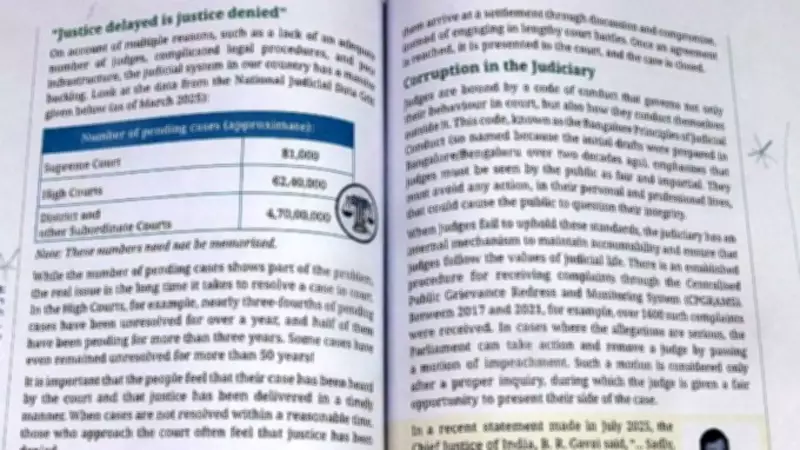
The National Council of Educational Research and Training (NCERT) has taken a firm stance by issuing a comprehensive advisory that mandates the immediate return of a banned textbook and the deletion of all online posts containing content from a controversial chapter. This directive, released on February 27, 2026, underscores the council's commitment to maintaining educational integrity and preventing the dissemination of disputed material across digital platforms.
Key Directives in the NCERT Advisory
The advisory explicitly calls for the following actions to be undertaken without delay:
- Return of Banned Textbook: All educational institutions, libraries, and individuals in possession of the specified textbook are required to surrender it to authorized NCERT officials or designated collection centers. This measure aims to physically remove the contentious material from circulation.
- Deletion of Online Content: The NCERT has emphasized the urgent need to delete all social media posts, digital archives, and online discussions that feature excerpts, summaries, or analyses of the controversial chapter. This step is crucial to curb the viral spread of the content on the internet.
- Compliance Monitoring: The council has urged stakeholders, including schools, teachers, and students, to adhere strictly to these guidelines and report any instances of non-compliance. This proactive approach seeks to ensure widespread adherence to the advisory.
Background and Implications
The advisory stems from ongoing concerns regarding the chapter's content, which has been deemed inappropriate or misleading by educational authorities. By targeting both physical and digital dissemination, the NCERT aims to address the multifaceted nature of information spread in today's interconnected world. This move highlights the growing challenges faced by educational bodies in regulating content in an era dominated by social media and online sharing.

Experts suggest that such advisories are becoming increasingly necessary as digital platforms amplify the reach of controversial materials. The NCERT's action reflects a broader trend towards stricter oversight in educational content to align with national standards and avoid potential misinformation.
Stakeholder Responses and Future Steps
Initial reactions from the educational community have been mixed, with some praising the NCERT for taking decisive action to uphold quality standards, while others express concerns about academic freedom and access to information. The council has assured that further guidelines may be issued based on feedback and evolving circumstances, indicating a dynamic approach to content regulation.
In conclusion, the NCERT advisory represents a significant step in managing educational content, balancing the need for accuracy with the realities of digital communication. As the situation develops, it will be essential to monitor compliance and assess the long-term impact on educational practices in India.