According to the latest Unified District Information System for Education Plus (UDISE+) data, nearly four out of ten girls enrolled in Grade 1 in India do not make it to Grade 10. This stark statistic underscores the persistent challenge of female student dropout rates, particularly at the secondary level. However, open schooling systems, such as the National Institute of Open Schooling (NIOS) and state-level open schools, are emerging as powerful pathways to re-engage these girls and provide them with a second chance at education.
The Scale of the Dropout Crisis
The UDISE+ data reveals that while Gross Enrolment Ratios have improved at the primary level, the transition to secondary education remains a critical bottleneck. For every 100 girls who start Grade 1, only about 60 reach Grade 10. The dropout rate spikes after Grade 8, often due to factors such as poverty, early marriage, domestic responsibilities, and lack of access to schools in rural areas. Girls from marginalized communities, including Scheduled Castes, Scheduled Tribes, and Muslim minorities, are disproportionately affected.
How Open Schooling Offers a Solution
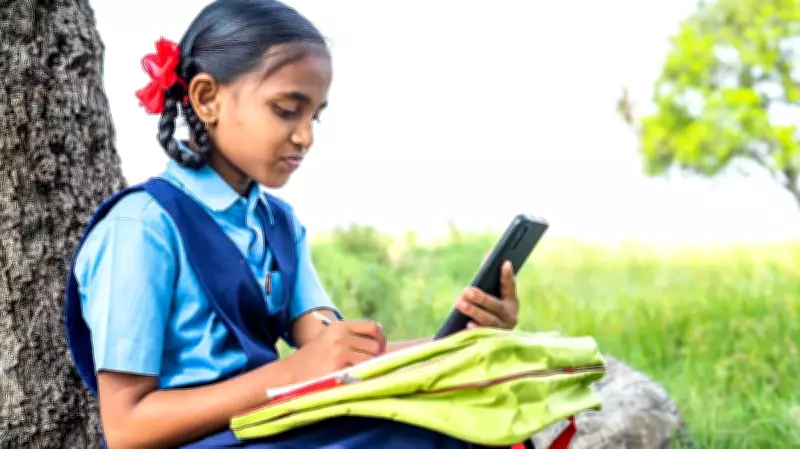
Open schooling provides a flexible, learner-centric alternative to the traditional formal school system. Students can study at their own pace, choose subjects of interest, and appear for examinations when ready. This is especially beneficial for girls who have had to drop out due to family obligations, financial constraints, or geographic isolation. The NIOS, for example, offers courses from the secondary (Class 10) and senior secondary (Class 12) levels, as well as vocational programs that can enhance employability.

"Open schooling is not just about academic certification; it is about empowerment and giving girls the confidence to re-enter the education system and pursue their dreams," says Dr. Anjali Singh, an education policy researcher at the National Institute of Educational Planning and Administration (NIEPA). She adds that many girls who complete their education through open schooling go on to pursue higher education or vocational training, breaking the cycle of poverty and dependence.
Challenges to Adoption
Despite its potential, open schooling faces several hurdles. Awareness about NIOS and state open school programs remains low, especially in rural areas. Many parents and girls themselves are unaware that such flexible options exist. Additionally, the quality of study materials and support services can vary significantly between states. The lack of digital infrastructure in remote villages also hampers access to online learning resources, which are increasingly being used by open schools.
Furthermore, societal stigma attached to non-traditional schooling persists. Some families view open schooling as a "lesser" form of education compared to regular schools, which can discourage enrollment. To counter this, advocacy campaigns and community outreach programs are essential to highlight the success stories of girls who have completed their education through this route.
Government Initiatives and the Way Forward
The Government of India has taken steps to strengthen open schooling. The National Education Policy 2020 emphasizes the need for flexible and multiple pathways to learning, including open and distance learning. Schemes like the Beti Bachao Beti Padhao campaign and the Samagra Shiksha Abhiyan also aim to reduce dropout rates and promote girls' education. However, experts argue that more targeted interventions are needed.
"We need to integrate open schooling with skill development programs and livelihood support to make it more attractive and relevant for dropout girls," suggests Dr. Singh. She also recommends establishing counseling centers at the block level to guide girls and their families about the options available. States like Kerala and Maharashtra have shown promising results with their open school programs, and their models could be replicated elsewhere.

Conclusion
Open schooling is not a panacea, but it is a critical tool in the fight against educational inequality. By providing a second chance to millions of girls who have left the formal system, it can help India achieve its goal of universal secondary education. The UDISE+ data serves as a reminder that without such alternative pathways, the country risks leaving behind a significant portion of its female population, with long-term consequences for economic growth, health, and social development.