Orissa High Court Grants Bail to Eight Accused in OTET Question Paper Leak Case
The Orissa High Court has granted bail to Nihar Ranjan Mohanty, the vice-president of the Board of Secondary Education (BSE), and seven other individuals accused in the Odisha Teacher Eligibility Test (OTET) question paper leak case. This decision comes after the accused had been in judicial custody for approximately seven months, with the court observing that the trial is unlikely to conclude in the near future.
Court Order Details and Judicial Reasoning
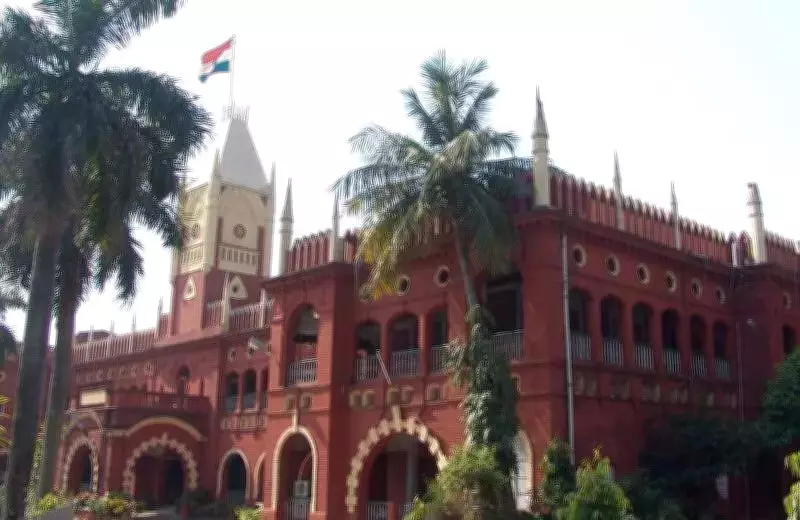
A single judge bench of Justice Gourishankar Satapathy passed the bail order on March 5, 2024, while hearing eight separate bail petitions that arose from the same case. The court noted the extended period of custody and the anticipated delays in the trial proceedings, which influenced the decision to grant relief to the accused.
The OTET paper leak scandal has been a significant issue in Odisha's education sector, involving allegations of misconduct and breaches in examination security. The case has drawn widespread attention due to its impact on teacher recruitment processes and the integrity of state-level assessments.

Background of the Case and Accused Individuals
Nihar Ranjan Mohanty, as a high-ranking official of the BSE, was among the key figures implicated in the leak. The other seven accused include individuals allegedly involved in the distribution and misuse of the question papers prior to the examination. Their arrest and subsequent custody highlighted the seriousness of the allegations and the state's efforts to address examination malpractices.
The investigation into the OTET paper leak has been ongoing, with authorities working to uncover the full extent of the network responsible. The grant of bail does not imply innocence but reflects the court's assessment of the trial timeline and the rights of the accused under the law.
Implications for the Education System and Legal Proceedings
This development raises questions about the effectiveness of examination security measures and the challenges in prosecuting such cases. The prolonged custody period underscores the complexities involved in gathering evidence and conducting a fair trial in high-profile leak incidents.
Legal experts suggest that the bail order may prompt a reevaluation of how similar cases are handled in the future, emphasizing the need for swift judicial processes to balance justice with individual rights. The OTET case continues to be monitored closely by stakeholders in education and governance across Odisha.
As the trial proceeds, further updates are expected regarding the legal outcomes and any reforms aimed at preventing such leaks in state examinations. The Orissa High Court's decision marks a pivotal moment in this ongoing legal saga.