Patna Hostel Tragedy Exposes Deep Crisis in Bihar's Coaching Capital
The suspicious death of an 18-year-old medical aspirant from Jehanabad in a girls' hostel in Patna has sent shockwaves through Bihar's entire coaching ecosystem. This tragic incident has triggered widespread outrage, student protests, and mounting anxiety among parents while exposing the fragile and largely unregulated world of private hostels that sustain the city's reputation as Bihar's coaching capital.
The Unseen Dangers of Patna's Coaching Boom
Every year, thousands of ambitious students arrive in Patna to prepare for high-stakes examinations such as NEET and JEE. Areas like Kankarbagh, Rajendra Nagar, Makhania Kuan, Naya Tola, Khazanchi Road and Boring Road have become densely packed with private hostels, many operating out of converted residential buildings. What's particularly alarming is that fire safety clearances, structural checks, and basic regulatory approvals are often completely missing, leaving young students—especially girls—in vulnerable situations.
As the investigation into the student's death continues, this case has come to symbolize a much deeper crisis. While Patna's coaching boom has undoubtedly created educational opportunities for countless aspirants, the complete absence of oversight in student housing has turned that opportunity into a risk-laden gamble with young lives.

The Invisible Hostel Crisis: No Official Data Exists
A striking aspect of this crisis is the complete lack of official data about hostel operations. Patna District Magistrate Thiyagrajan SM admitted that the administration does not have information on the total number of hostels operating in the district. "A survey is underway and a list will be prepared accordingly," he stated, highlighting the reactive rather than proactive approach to regulation.
The police situation reveals similar gaps in oversight. Patna SSP Kartikeya K Sharma confirmed that the police force does not maintain records of how many private hostels are operating. "We have a list given by the district magistrate's office for registered hostels, mainly government-affiliated ones," he explained. Sharma added that while police stations encourage tenant verification through prescribed forms, compliance remains poor across the board.
Even the Patna Municipal Corporation lacks a comprehensive picture. PMC officials revealed they don't have data on all buildings being used as hostels. "As per holding tax collection, there are 3,100—mostly in Bankipur and new Capital circles—that have registered as hostels and paid property tax accordingly," said PMC spokesperson Priya Saurabh. Officials privately admitted the actual number of hostels is likely far higher than official records suggest.
Lived Realities: Students Face Exploitative Conditions
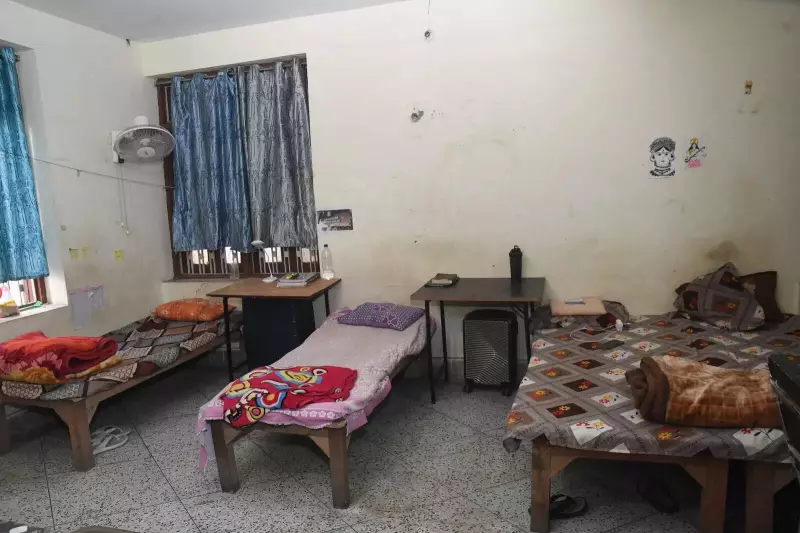
Academic expert Abha Choudhary highlighted how outstation students often struggle to adapt to Patna's hostel environment. "When students deviate from their academic goals, they often get exposed to various forms of exploitation," she observed. Criticizing the prevailing hostel conditions, Choudhary noted, "Parents often place children in filthy, overcrowded accommodations out of compulsion due to high costs elsewhere. They live in very dirty conditions… like train seat space."
Choudhary called for urgent government intervention including:
- Regular inspections of all student accommodations
- Enforcement of basic hygiene norms
- Accountable wardens and management systems
- Age-appropriate segregation of residents
Bihar State Women's Commission chairperson Apsara Kumari emphasized that the unchecked mushrooming of private hostels has raised serious safety alarms. "Complete absence of any state-level rules or regulations governing these accommodations have exposed girls to vulnerability," she stated. Kumari described how many girls are crammed into single rooms with no safety protocols, poor hygiene, and inadequate security arrangements—often with no guards at all.

Political Pressure Mounts for Systemic Reform
Purnia MP Pappu Yadav described the situation as a "systemic failure" that requires immediate attention. He pointed out that many girls' hostels in Patna operate without proper licenses, fail basic safety standards, and escape regular inspections, putting thousands of young students at risk of exploitation and assault.
Advocates and social activists have joined the chorus demanding binding regulations, warning that the hostel crisis has remained ignored despite repeated red flags over the years. The call is growing for uniform state-level guidelines similar to those governing coaching institute registration, covering essential aspects like:
- Fire safety standards and emergency protocols
- Basic sanitation and hygiene requirements
- Security arrangements and personnel training
- Nutrition standards for student meals
Hostel Owners Feel the Backlash Too
Meanwhile, hostel operators report that the recent tragedy has created collateral damage even for compliant facilities. Charanjit Chawla, managing director of a girls' hostel in Naya Tola, revealed that enquiries have nearly stopped following the incident. "If it happened at one place then people look at everyone with that perspective," she explained, highlighting how the entire sector suffers from isolated incidents.
Kanchan Kumari, who runs a girls' hostel near Bazaar Samiti, acknowledged that demand from NEET and JEE candidates remains enormous despite the challenges. "We try to maintain basic facilities, but some students do not follow the rules," she said, calling for balanced enforcement and greater cooperation from both parents and students to improve overall safety standards.
The Patna hostel tragedy has become a watershed moment for Bihar's coaching ecosystem, forcing a long-overdue conversation about student safety, regulatory frameworks, and the ethical responsibilities of educational infrastructure providers in India's competitive examination landscape.