Schools Nationwide Embrace Holi with Festive Spirit and Educational Initiatives
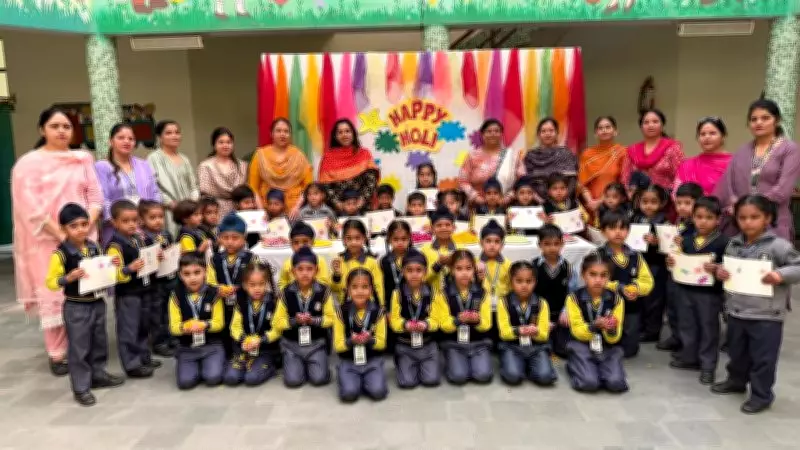
Educational institutions across India celebrated the vibrant festival of Holi with great enthusiasm, organizing a series of cultural programs and safety awareness activities. The festivities, held in schools from various regions, highlighted the rich traditions of the festival while emphasizing the importance of responsible celebration.
Cultural Extravaganza and Traditional Rituals
Schools transformed their campuses into hubs of color and joy, with students and teachers participating in traditional Holi rituals. Cultural programs featured folk dances, music performances, and storytelling sessions that depicted the mythological significance of Holi. Many institutions organized special assemblies where students shared poems and speeches about the festival's themes of unity and the triumph of good over evil.
In several schools, the celebration included the symbolic burning of Holika, reenacting the legend of Prahlad and Holika, which serves as a core narrative of the festival. This was followed by the playful application of gulal (colored powders) and water, with students engaging in safe and supervised color play sessions. The atmosphere was filled with laughter and camaraderie, fostering a sense of community among participants.

Safety Workshops and Environmental Consciousness
Alongside the merrymaking, schools placed a strong emphasis on safety and environmental awareness. Workshops were conducted to educate students about the potential hazards of synthetic colors and unsafe practices. Experts and teachers demonstrated the use of natural, skin-friendly colors made from ingredients like turmeric, beetroot, and flowers, encouraging eco-friendly celebrations.
Safety drills and discussions covered topics such as avoiding water wastage, preventing eye injuries, and ensuring respectful behavior during the festivities. Many schools distributed pamphlets and held interactive sessions to promote a holistic and secure Holi experience. This dual focus on enjoyment and responsibility aimed to instill values of mindfulness and care in young celebrants.
Community Engagement and Inclusivity
The celebrations extended beyond school premises, with several institutions involving parents and local communities in the events. Community gatherings featured joint performances and shared meals, strengthening bonds between schools and their neighborhoods. Special efforts were made to include students from diverse backgrounds, ensuring that the festival was celebrated in an inclusive manner that respected all cultural sensitivities.
In some areas, schools collaborated with non-governmental organizations to organize Holi events for underprivileged children, spreading joy and promoting social harmony. These initiatives underscored the festival's message of togetherness and compassion, aligning with educational goals of fostering empathy and unity.
Impact on School Culture and Student Development
The Holi celebrations served as an educational tool, integrating cultural learning with practical life skills. Teachers reported that such events enhance students' understanding of Indian heritage while developing their social and emotional competencies. The activities encouraged teamwork, creativity, and respect for traditions, contributing to a well-rounded educational experience.
As the festivities concluded, schools reflected on the positive outcomes, noting increased student engagement and a reinforced sense of school spirit. The successful blending of fun and learning exemplified how festivals can be leveraged to enrich the academic environment and promote holistic development among young learners.