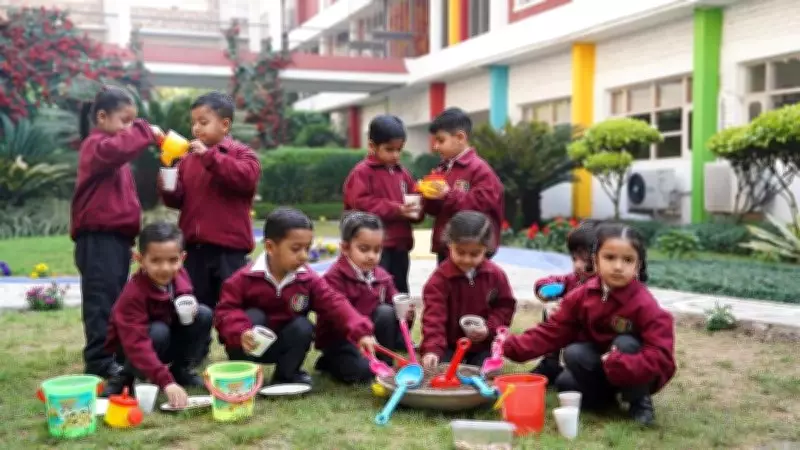
Schools Organize Seed Germination Activity to Promote Environmental Learning
In an innovative educational initiative, a seed germination activity was recently organized across multiple schools, aiming to instill a deeper understanding of plant biology and environmental stewardship among students. This hands-on project provided a practical approach to learning, moving beyond traditional classroom methods to engage young minds in the wonders of nature.
Fostering Hands-On Learning and Sustainability
The activity involved students planting seeds and observing their growth over time, which helped illustrate the complete life cycle of plants from germination to maturity. By participating in this process, learners gained firsthand experience with concepts such as photosynthesis, nutrient absorption, and the importance of water and sunlight. Educators emphasized that this interactive method not only enhances scientific knowledge but also cultivates a sense of responsibility towards the environment.
Key objectives of the seed germination activity included:

- Teaching students about the stages of plant development and the factors that influence growth.
- Promoting environmental awareness and the significance of conserving natural resources.
- Encouraging teamwork and collaborative learning as students worked together on the projects.
- Inspiring a lifelong interest in botany and ecological sustainability through engaging, real-world applications.
Impact on Student Engagement and Curriculum Integration
Feedback from teachers and participants highlighted a noticeable increase in student engagement and curiosity. Many students reported a greater appreciation for plants and their role in ecosystems, with some even expressing interest in starting home gardens. The activity was seamlessly integrated into the science curriculum, aligning with topics like biology and environmental studies, thereby reinforcing academic concepts through experiential learning.
This initiative underscores the growing trend in education towards incorporating practical, eco-friendly activities into school programs. By bridging theoretical knowledge with tangible experiences, schools are not only enhancing learning outcomes but also contributing to broader environmental conservation efforts. Such activities are seen as vital in preparing the next generation to address global challenges like climate change and biodiversity loss.
In conclusion, the seed germination activity has proven to be a successful and impactful educational tool, fostering both academic growth and environmental consciousness among students. As more schools adopt similar programs, the hope is to cultivate a generation that is knowledgeable, responsible, and proactive in protecting our planet.