Workshop on Sustainable Menstrual Products Empowers School Students
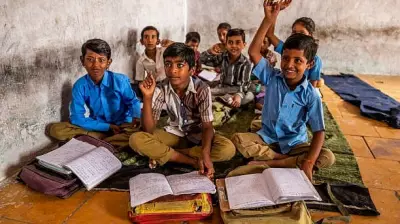
In a significant initiative aimed at promoting health and environmental consciousness, a workshop on sustainable menstrual products was recently held in schools. This educational event focused on enlightening students about eco-friendly alternatives to conventional menstrual products, emphasizing their benefits for both personal well-being and the planet.
Promoting Eco-Friendly Alternatives and Health Awareness
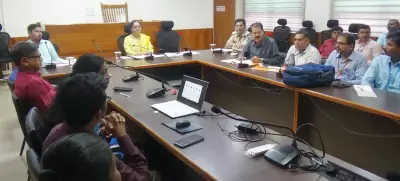
The workshop provided comprehensive insights into various sustainable options, such as menstrual cups, reusable cloth pads, and biodegradable sanitary products. Experts and facilitators led interactive sessions that covered the environmental impact of disposable menstrual products, which often contribute to plastic waste and pollution. Students learned how switching to sustainable alternatives can reduce their carbon footprint and support waste management efforts.
Key topics discussed included the health advantages of using non-toxic, chemical-free products, which can minimize the risk of infections and allergies associated with some conventional items. The sessions also addressed common myths and stigmas surrounding menstruation, fostering a more open and informed dialogue among participants.

Interactive Learning and Student Engagement
Through hands-on activities and group discussions, students actively engaged with the material, asking questions and sharing their perspectives. The workshop encouraged critical thinking about consumption habits and their broader implications, empowering young individuals to make informed choices that align with sustainability goals.
Organizers highlighted the importance of integrating such workshops into school curricula to build a foundation of awareness from an early age. By educating students, the initiative aims to create a ripple effect, influencing families and communities to adopt more environmentally responsible practices.
Broader Implications for Public Health and Education
This event underscores a growing trend towards incorporating sustainability and health education into school programs. It aligns with broader public health objectives by promoting hygiene and well-being, while also supporting environmental conservation efforts. The workshop serves as a model for other educational institutions seeking to address similar issues through proactive, student-centered approaches.
In summary, the workshop on sustainable menstrual products represents a vital step forward in combining health education with environmental stewardship. By equipping students with knowledge and practical options, it fosters a generation that is more conscious of their health and ecological impact, paving the way for a sustainable future.