Texas Education Board Orders Major Revisions to Controversial Bible-Infused Curriculum
A year after Texas approved a Bible-infused curriculum for public schools, state officials are undertaking significant revisions to correct what they describe as hundreds of errors identified by teachers and reviewers after the material reached classrooms. The curriculum, known as "Bluebonnet," was approved in 2024 by the Texas State Board of Education despite objections from religious scholars and advocacy groups who argued the reading lessons privileged Christianity over other faith traditions and blurred the line between instruction and preaching.
Widespread Adoption Despite Controversy
Designed by the Texas Education Agency, the curriculum remains optional for school districts. However, districts that adopt it receive additional state funding, creating a strong incentive for implementation. As of August, more than 300 school districts and charter schools indicated they would use the Bluebonnet materials, representing roughly a quarter of the state's 1,207 districts and charters. This widespread adoption occurred despite ongoing concerns about the curriculum's religious content and educational quality.
Board Approves Extensive Corrections
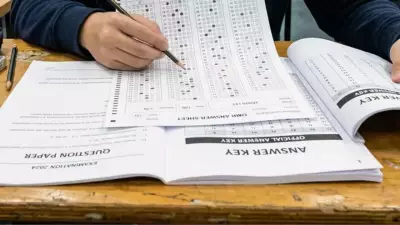
On Wednesday, the board voted 8 to 6 to approve a comprehensive set of revisions to the curriculum. According to The Associated Press, the changes include correcting factual errors, fixing punctuation issues, and replacing images due to licensing and copyright concerns. The vote followed intense debate among board members about the quality control failures that allowed so many errors to reach classrooms.

"My concern is that we have failed students this school year who have been utilizing this product," said board member Tiffany Clark, a Democrat, during the meeting according to AP reports. Clark expressed particular concern about how even minor mistakes, such as typographical errors in mathematics equations, could negatively impact learning outcomes.
Discrepancy in Error Counts
Board members initially stated that more than 4,000 corrections were required across the curriculum materials. However, Jake Kobersky, a spokesperson for the Texas Education Agency, told AP that approximately 1,900 changes were actually made. He explained that this figure includes duplicate corrections across the teacher guide, student workbook, and related documents.
Colin Dempsey, an agency official who helps oversee instructional material review, acknowledged what he called a "high number of updates" but claimed factual errors were minimal. He did not provide a specific count of factual errors versus other types of corrections. Kobersky emphasized that most revisions were proactive responses to teacher feedback or grammatical fixes rather than corrections of factual inaccuracies.
Political Tensions Surface
The debate revealed political tensions on the board, with Republican board chair Aaron Kinsey questioning whether correcting copyright issues could realistically cause students to fail the state's annual standardized tests. Republican board member Pam Little acknowledged the scale of revisions while supporting them, stating, "I understand that some of these errors are minimal, some of them are for clarity and some of them are for accuracy. But still, an error is an error."
Little expressed concern that the board may have "set a precedent for sloppy publishing" by approving materials with so many errors. Dempsey responded that the agency has increased the number of reviewers assessing the material from five to eight and expressed hope that future issues would be identified earlier in the review cycle.
Implementation Challenges Ahead
The education agency said online curriculum materials would be updated within 30 days but did not specify how long it would take to reprint physical copies or what the financial cost would be. For districts that adopted the material, the next challenge will be operational rather than ideological: how quickly revisions reach classrooms and whether confidence in the state's vetting process can be restored.

Broader National Context
This episode underscores a broader national debate about religious content in public education. In several Republican-led states, officials have sought to expand the presence of religious materials in public school curricula. The Bluebonnet rollout in Texas illustrates how curriculum battles do not end with approval votes but continue through the quieter work of implementation, correction, and oversight.
The Texas experience demonstrates that even after controversial curriculum materials gain official approval, practical implementation challenges and quality control issues can create ongoing controversies that require significant revisions and corrections long after initial adoption decisions.