Canada Implements Stricter Visa Compliance Rules Affecting International Students
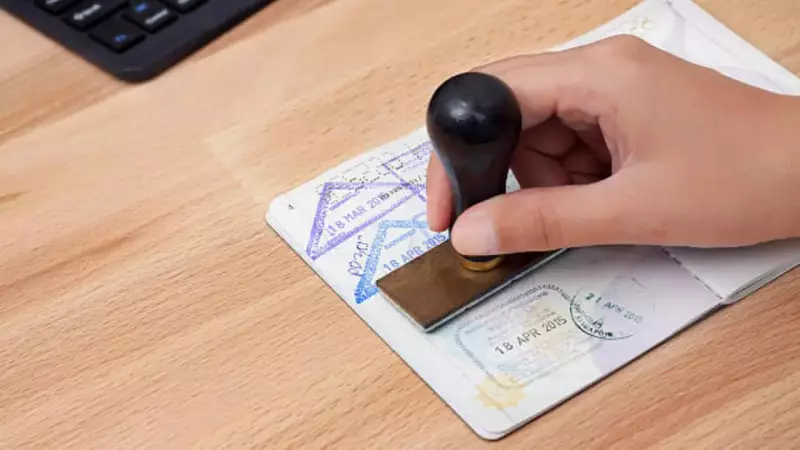
Canada has introduced significant changes to its immigration framework that empower officials to cancel visas and study permits even after they have been issued. The updated guidelines, which came into effect recently, mark a fundamental shift in how Canada manages temporary residents including international students, foreign workers, and visitors.
The Immigration, Refugees and Citizenship Canada (IRCC) updated its operational guidance on November 4, 2025, providing officers with clearly defined authority to revoke various types of temporary residence documents. This development represents a move from a system focused primarily on initial approval to one that demands ongoing compliance with immigration conditions throughout the stay in Canada.
What the New Regulations Mean for Temporary Residents
According to Gurpreet Oshan, a regulated Canadian immigration consultant (RCIC), the regulatory changes were initially introduced in June 2024 and formally enacted in February 2025. These changes apply broadly to all temporary residents holding visas, study permits, or work permits.

Immigration officers now have the power to cancel a visa or permit at multiple stages - before boarding a flight to Canada, upon arrival at the port of entry, or during the individual's stay in the country. This represents a significant departure from the previous system where approval at the application stage was the primary focus.
Oshan explains that officers can cancel an existing temporary resident visa if they believe the holder will not depart Canada by the end of their authorized stay period. This provision could particularly affect parents who regularly visit their children studying or working in Canada.
Specific Impact on International Students from India
The new framework carries particularly significant implications for international students, including the substantial Indian student population in Canada. According to Statistics Canada data as of September 30, 2024, there were 5.10 lakh (510,000) Indian study permit holders in Canada, representing nearly 40% of all international students in the country.
Under the updated rules, a study permit remains valid only if the student continues to meet eligibility requirements throughout their entire stay. Students must maintain enrollment at a designated learning institution, demonstrate academic progress, and adhere to work limitations specified in their permits.
Oshan detailed specific scenarios that could lead to permit cancellation: "If a student reduces their course load without authorization, stops attending classes, or works beyond the permitted hours or conditions, their study permit may be cancelled."
The revised rules also address institutional compliance and documentation issues. Students may face consequences if their designated learning institution loses eligibility or gets suspended. In such cases, students must transfer to another eligible institution promptly to maintain their status.
Additionally, recent cases involving fraudulent Letters of Acceptance have resulted in study permit cancellations even when students were unaware that their documentation was not genuine.
Broader Immigration System Changes and Future Implications
These measures form part of Canada's comprehensive effort to strengthen oversight and prevent misuse of temporary immigration programs. The operational guidance specifies both discretionary and automatic grounds for cancellation, including situations where permits were issued in error or when holders become permanent residents, lose eligibility, or pass away.
In a parallel development, Bill C-12, titled 'The Strengthening Canada's Immigration System and Borders Act,' has been referred to the Standing Committee on Citizenship and Immigration for detailed review. This proposed legislation seeks to modernize enforcement by granting expanded authority to the immigration minister and border officers to cancel visas and permits while streamlining deportation processes.

The bill also enhances data-sharing between federal agencies to combat fraud and prevent overstays. Immigration experts caution that these combined measures could increase uncertainty for temporary foreign workers and international students planning their futures in Canada.
For the large Indian student community in Canada and those planning to study there, these changes underscore the importance of maintaining strict compliance with all visa conditions and staying informed about evolving immigration policies that could affect their educational journey and future prospects in the country.