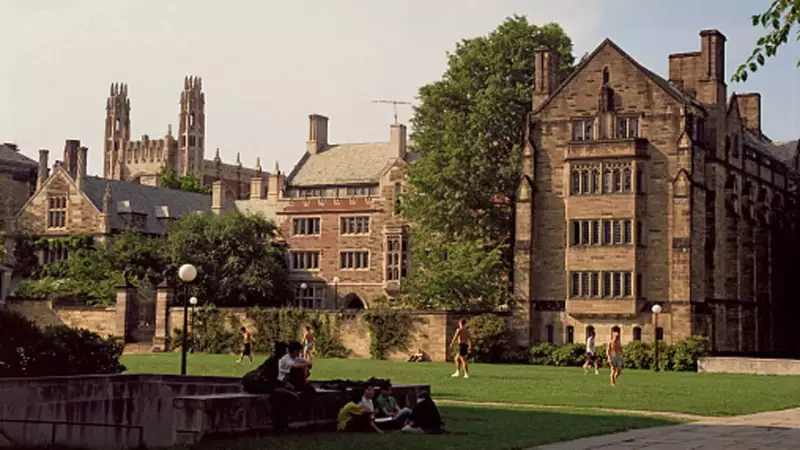
Yale University has unveiled the outcomes of its early action admissions round for the incoming Class of 2030, providing a clear view into the fiercely competitive world of elite undergraduate admissions. The results this year underscore a dual narrative: the enduring selectivity of the Ivy League and a strengthened institutional commitment to broadening access for talented students from diverse economic backgrounds.
Early Action Numbers and a Slight Uptick in Acceptance Rate
For the early action cycle, Yale College extended offers of admission to 779 students. This figure emerges from a pool of 7,140 early applicants, resulting in an acceptance rate of 10.9 percent. This marks a marginal increase from the 10.8 percent rate recorded for the Class of 2029. A significant portion, approximately 18 percent, of the early applicant pool was deferred for reconsideration during the regular decision cycle, while about 70 percent received denial letters.
Yale's early action policy is non-binding, giving admitted students until May 1 to make their final decision. This round represents the first wave of forming the undergraduate cohort that will arrive on campus in the fall of 2026.

Record-Breaking QuestBridge Matches Highlight Access Mission
One of the most striking highlights of this admissions cycle is the unprecedented success of students coming through the QuestBridge National College Match program. QuestBridge is a renowned non-profit organisation that connects high-achieving, low-income students with top-tier universities in the United States.
This year, Yale admitted 118 students via QuestBridge, setting a new institutional record. This number represents a substantial jump from last year and comfortably surpasses the previous record of 87 matches for the Class of 2024. When combined with the traditional early action admits, Yale has already offered places to 897 prospective members of the Class of 2030.
The personal impact of these decisions is profound. One admitted student from Austin, Texas, recounted discovering her acceptance while in a car on the way to school, describing an overwhelming moment of joy. Another from Brooklyn initially doubted the news, especially as she had not submitted SAT scores. Their stories, as shared with the Yale Daily News, reflect growing applicant confidence in Yale's evolving admissions framework.
Holistic Review, Test Flexibility, and Financial Support
Dean of Undergraduate Admissions and Financial Aid, Jeremiah Quinlan, reiterated the university's comprehensive evaluation process. He noted that early admitted students distinguished themselves not only through academic rigour but also through their meaningful engagement within their communities.
The university's test-flexible policy, introduced last year, continues to shape the applicant landscape. This policy allows students to submit scores from tests like the SAT, ACT, Advanced Placement, or International Baccalaureate exams—or to apply without any standardized test scores. This approach is designed to assess achievement within the context of each applicant's available resources.
For QuestBridge scholars and other admitted students with financial need, Yale guarantees aid that covers the full demonstrated cost of attendance. This comprehensive package includes tuition, housing, meals, and health coverage, with no required loans. Admitted students are also invited to campus in April for flagship events like Bulldog Days, with travel funding available for those who need it.
As the regular decision deadline approaches, Yale's early action results send a clear signal to students in India and worldwide. Gaining entry into top global universities remains intensely competitive, but there is a parallel and powerful drive to ensure that economic circumstances do not bar the most promising minds from accessing a world-class education.