Over 1,000 IIPU Students Barred from First-Round Exams Due to Attendance Shortage
In a significant academic setback, more than 1,000 students at the International Institute of Planning and Urban Studies (IIPU) have been denied hall tickets for the first round of examinations. This decision stems from a failure to meet the mandatory attendance requirements set by the institution.
Examination Policy and Its Impact
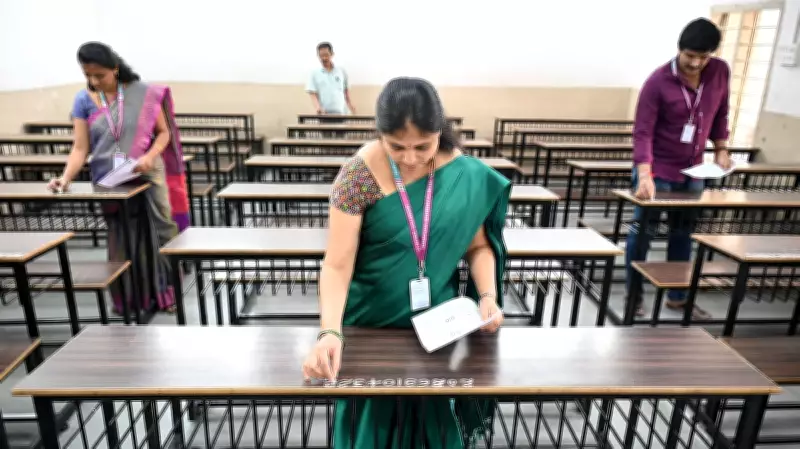
The university's strict attendance policy has led to the exclusion of these students from the initial phase of exams. According to official sources, the affected individuals did not fulfill the minimum attendance criteria, which is a prerequisite for receiving hall tickets and participating in regular examination sessions.
However, there is a provision for these students to appear in subsequent examination rounds. They are permitted to take the second and third rounds of exams, but only as private candidates. This status may involve different procedural requirements and could impact their academic records compared to regular examinees.

Student Reactions and Institutional Response
The news has sparked concern among the student community, with many expressing frustration over the lack of prior warnings or opportunities to rectify their attendance. University authorities have emphasized that the policy is in place to ensure academic discipline and regular participation in coursework.
"We adhere to strict attendance norms to maintain educational standards," a university spokesperson stated. "Students are informed of these requirements at the beginning of each academic year."
Despite this, some students argue that external factors, such as health issues or personal emergencies, contributed to their attendance shortfalls. They are calling for more flexibility in the policy or additional support mechanisms.
Looking Ahead: Implications for Affected Students
The ability to appear as private candidates in later rounds offers a partial remedy, but it comes with challenges. Private candidates often face logistical hurdles, such as separate registration processes and potentially limited access to study materials or guidance.
This incident highlights broader issues in higher education regarding attendance policies and student support systems. It serves as a reminder for institutions to balance disciplinary measures with compassionate considerations for student circumstances.
As the examination season progresses, affected students are advised to consult with university officials to understand the specific requirements for appearing as private candidates and to prepare accordingly for the upcoming rounds.