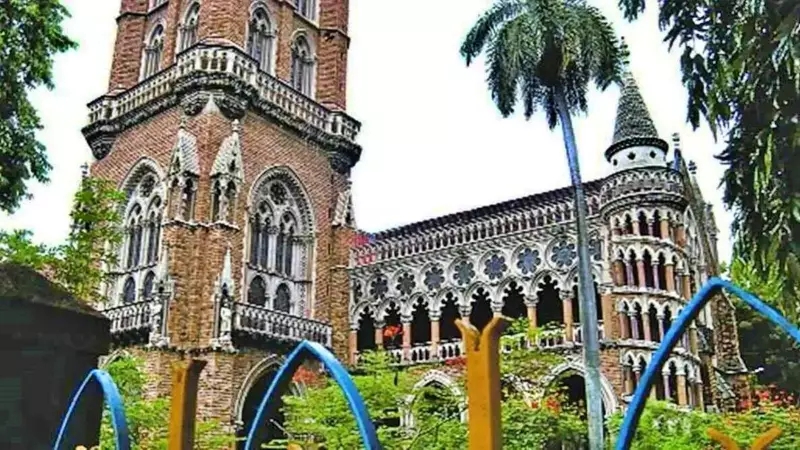
In a powerful sign of academic recovery, the University of Mumbai is set to award a remarkable 577 doctoral degrees at its upcoming annual convocation. The ceremony is scheduled for January 17, marking a significant rebound from the pandemic-induced slump that severely impacted research completions.
A Dramatic Post-Pandemic Rebound
The figure of 577 PhDs represents a striking 44 per cent increase compared to the 401 doctorates awarded last year. More importantly, it surpasses the numbers from pre-pandemic years, finally crossing the 500-mark after a prolonged downturn. The slump was most acute in 2021 when completions plummeted to a mere 153, a direct consequence of the disruptions caused by the Covid-19 pandemic.
While a gradual year-on-year recovery was observed after 2021, the current academic year has witnessed a decisive leap. To put this in perspective, the university had awarded 507 PhDs back in 2018, before the numbers began their decline.

Breakdown of Degrees and Distinguished Chief Guest
The 577 doctoral candidates hail from a diverse range of faculties. The breakdown is as follows:
- Faculty of Science and Technology: 256 PhDs
- Faculty of Commerce and Management: 144 PhDs
- Faculty of Humanities: 106 PhDs
- Interdisciplinary Studies: 71 PhDs
University officials have also indicated that this number may increase further by the time the convocation is held. The event will be graced by Prof. Ajay Kumar Sood, the Principal Scientific Advisor to the Government of India, who will serve as the Chief Guest and deliver the convocation address.
University Leadership Credits Strategic Initiatives
Commenting on this impressive turnaround, the Vice Chancellor of Mumbai University, Dr. Prof. Ravindra Kulkarni, attributed the success to the institution's focused efforts on enhancing research quality. He stated that the notable rise in PhD enrolment reflects the university's commitment to strengthening research excellence and adhering to global standards.
Dr. Kulkarni highlighted several key initiatives that have fostered a more supportive academic environment for researchers. These include the establishment of a dedicated Research and Development Cell, the implementation of a University Department Ranking Framework to encourage healthy competition, and various other research promotion activities. These systemic efforts appear to have created the necessary momentum for doctoral scholars to complete their work efficiently.
The upcoming convocation, therefore, is not just a ceremony but a testament to the resilience of the academic community and the strategic focus of one of India's premier universities on rebuilding and advancing its research footprint after a challenging period.