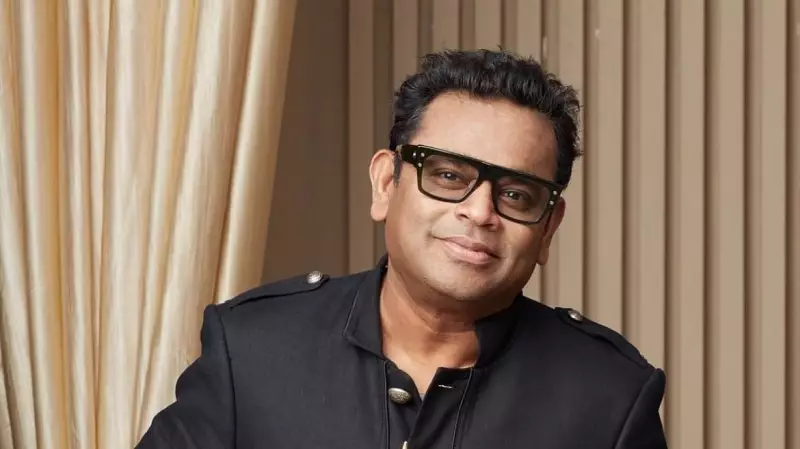
In a recent discussion that has ignited widespread debate, legendary composer A R Rahman has raised poignant questions about the inherent biases within Bollywood's music industry. Rahman, who catapulted to fame with his sensational debut in the film Roja back in 1992, has been vocal about the evolving challenges faced by artists in today's corporatized film landscape.
The Rise of A R Rahman and His Impact
A R Rahman's entry into Bollywood with Roja marked a revolutionary shift in Indian film music, blending traditional sounds with modern techniques. Over the decades, he has garnered global acclaim, including two Academy Awards, solidifying his status as a musical icon. However, his recent reflections shed light on a less glamorous side of the industry.
Challenges in a Corporatized Film Industry
Rahman has openly spoken about the difficulties composers face in a corporatized film industry, where commercial pressures often overshadow artistic integrity. He highlights how decision-making processes have become more bureaucratic, with corporate interests sometimes dictating creative choices. This environment, he suggests, can lead to biases where certain styles or artists are favored over others, potentially stifling innovation and diversity in music composition.

The composer's comments have resonated with many in the entertainment sector, who echo concerns about fairness and opportunity. Rahman points out that while Bollywood has grown into a global powerhouse, it must address these systemic issues to remain truly inclusive and bias-free.
Reactions from Trolls and Public Discourse
Rahman's remarks have not gone unnoticed, attracting both support and criticism from online trolls. Some social media users have praised his courage in speaking out, while others have dismissed his views as exaggerated or out of touch. This polarized response underscores the ongoing debate about whether Bollywood's music scene is as equitable as it claims to be.
Experts in the field weigh in, noting that Rahman's experiences reflect broader trends in the industry. The influence of corporate structures, combined with market demands, can create an environment where biases—whether based on genre, language, or artist background—persist. This discussion prompts a deeper examination of how Bollywood can evolve to support all talents fairly.
Looking Ahead: The Future of Bollywood Music
As Bollywood continues to expand its global footprint, the questions raised by A R Rahman are more relevant than ever. Industry stakeholders are called upon to foster a more transparent and unbiased ecosystem. This includes promoting diverse voices, reducing corporate interference in creative processes, and ensuring that opportunities are based on merit rather than external pressures.
In conclusion, A R Rahman's insights serve as a crucial reminder of the need for continuous improvement in Bollywood's music industry. By addressing these challenges head-on, the sector can strive towards a more inclusive and bias-free future, honoring the legacy of artists like Rahman while paving the way for new talents.