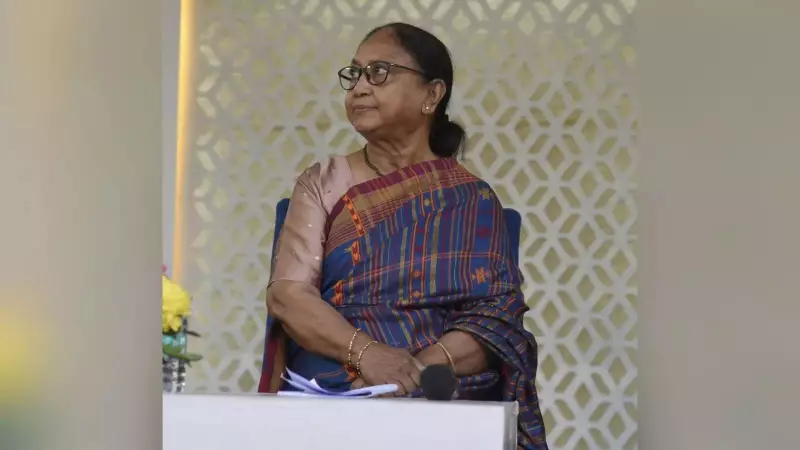
Banu Mushtaq Enthralls Literary Festival with Candid Reflections on Writing and Rebellion
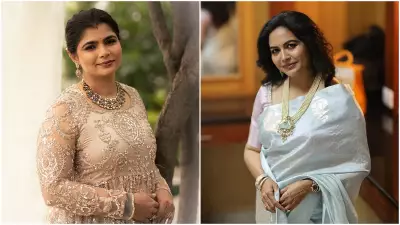
Banu Mushtaq, the acclaimed Booker Prize-winning author of Heart Lamp, delivered a powerful and engaging session at a city literary festival, captivating the audience with her fearless insights into writing, womanhood, and resistance. With a blend of candour and quiet humour, she shared her personal journey as a Muslim woman writer navigating complex societal expectations, identity politics, and an uncompromising literary practice.
Feminism Rooted in Equality, Not Resentment
Mushtaq spoke passionately about her approach to portraying women in fiction, emphasizing the need to move beyond the male gaze. "All the time, men in fiction set standards for women, how to drape themselves, how to lower their gaze, how silent they should be. But as a woman, I don’t need to write all those things," she asserted. "I say why should I not shout, why should I not smile in public. I want to smile - that’s all. I have rights, and I use them."
She clarified that her feminism is grounded in equality rather than animosity. "I don’t hate men, and my women don’t hate men. They are our own kin - fathers, brothers, husbands, sons," Mushtaq explained. "But the difference starts when men insist on patriarchal rules. That is where rebellion begins." Her characters reflect a full spectrum of humanity, from violent men to empathetic ones, such as a man who punishes his wife for taking their sick child to the doctor, contrasted with men who respect and seek women's counsel.

Everyday Objects as Voices of Resistance
In Mushtaq's literary world, objects transcend their mundane roles to become active participants in rebellion. She illustrated this with examples from her stories, where items like scooters, household goods, and animals acquire voices and significance. In one narrative, a pregnant woman forced to wear high heels resists by tactfully breaking the shoes when her unborn child signals distress. "They start speaking, they keep silent, and they carry significance along with the story," she noted, highlighting her skill in embedding political and emotional meaning into the smallest details.
Solidarity Among Women and Personal Struggles
Central to Mushtaq's work is the theme of women supporting women. "Women don’t bitch around other women. They are sisters," she stated. In her novel The Black Cobras, women unite to protect each other against patriarchal forces, showcasing solidarity where society often expects rivalry. Reflecting on her own experiences, Mushtaq revealed the intense scrutiny and abuse she faced as a Muslim woman writer, including prolonged trolling and physical health issues. "I was orally assaulted, trolled, humiliated for six months. Writing is easy; sustaining it is hard," she shared, describing how she overcame trauma without medication through resilience.
Historical Context and Linguistic Defiance
Mushtaq's writing is deeply informed by historical and social contexts. On issues like triple talaq, she argued that it is a patriarchal practice rather than Islamic, stressing the need for legal and social reform. "During Prophet Muhammad’s time, women had rights to life, property, marriage, and education. Unilateral talaq is an acquired practice of patriarchy," she emphasized.
Her defiance extends to language, as she refuses to italicize Urdu and colloquial words in her writing. "There should not be restrictions on my writing. I am versatile in multiple languages. Words of my community, words of the poor, deserve to be heard," she declared. Mushtaq's literary philosophy is inseparable from her social conscience: "A writer should give hope, stand with the people, not with power. The protagonist may rebel within the household and beyond, but there must always be hope, for her, her daughters, and for society."

A Legacy of Resonant Storytelling
Through humour, empathy, and fearless truth-telling, Banu Mushtaq's stories have transcended cultural and geographical boundaries, resonating with readers worldwide who see reflections of their own lives in her characters. Her work continues to demonstrate that literature can be both profoundly personal and radically political, inspiring hope and rebellion in equal measure.