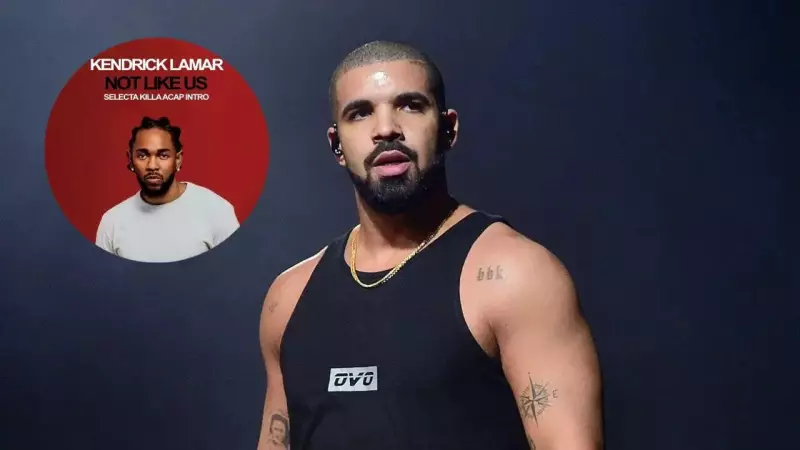
Drake Escalates Legal Battle Over Kendrick Lamar's 'Not Like Us' Diss Track
In a significant development in the ongoing legal saga surrounding the rap feud between Drake and Kendrick Lamar, Drake has decided to escalate his legal fight by filing an appeal. This move comes after a New York judge dismissed his defamation lawsuit earlier, marking a new chapter in this high-profile entertainment industry dispute.
The Origins of the Legal Conflict
The controversy centers around Kendrick Lamar's song 'Not Like Us', which was released in May 2024 during the height of a very public and intense musical rivalry between the two hip-hop giants. The track contained particularly incendiary lyrics that Drake claims crossed serious boundaries and caused substantial harm to his reputation and personal safety.
Among the most controversial lines in the song were accusations labeling Drake as a "certified pedophile" and suggestions that he should be "placed on neighborhood watch." Drake's legal team argues these statements represent some of the most damaging accusations that can be made against any individual, particularly a public figure with global recognition.

Legal Strategy and Initial Ruling
Interestingly, Drake did not file his lawsuit directly against fellow artist Kendrick Lamar. Instead, he targeted Universal Music Group, the record label responsible for releasing and promoting the contentious track. The lawsuit alleged that the label knowingly distributed and promoted material containing harmful lyrics while actively pushing the song to achieve viral status across digital platforms.
In October 2025, Judge Jeannette Vargas of New York dismissed Drake's lawsuit with a detailed explanation. The judge ruled that the song did not constitute defamation within the specific context of a heated rap battle. She stated, "The recording was published as part of a heated public feud, in which both participants exchanged progressively caustic, inflammatory insults and accusations."
Judge Vargas further elaborated that this context creates an environment where listeners anticipate "the use of epithets, fiery rhetoric, or hyperbole rather than factual assertions." The court determined that a reasonable audience would understand the lyrics as artistic expression within a competitive musical genre rather than verifiable factual claims.
Grounds for Appeal and Legal Arguments
Drake's legal team filed new court papers on Wednesday, January 21, formally challenging the dismissal and describing the original ruling as "dangerous" in its implications. The appeal documents argue that Judge Vargas' decision establishes a concerning legal precedent that could shield harmful content from accountability.
The appeal states, "The court effectively created an unprecedented and overbroad categorical rule that statements in rap diss tracks can never constitute statements of fact." Drake's attorney, Michael J. Gottlieb, contends that this interpretation creates a problematic loophole where even the most damaging accusations could avoid legal scrutiny simply because they appear within musical diss tracks.
Gottlieb emphasized that many listeners genuinely believed the song's allegations, causing substantial harm to Drake's international reputation. He wrote, "If rap diss tracks cannot contain statements of fact, then they are inoculated from any liability for defamation--no matter how direct and damaging the defamatory statements they contain. This case illustrates that."
Public Reaction and Cultural Impact
The song 'Not Like Us' continues to maintain cultural relevance and generate significant online discussion. Social media platforms have been flooded with reactions to both the musical content and the subsequent legal proceedings. One viral comment noted, "bro made a whole music video about calling drake a pedophile. Absolute king.." while another observed, "Crazy to live in a world where a judge might have to watch this as evidence."

Other reactions focused on specific lyrical and visual elements, with one user commenting, "playing hopscotch while singing 'A-MINORRRRR' is CRAZY," and another adding, "Hey drake I aint a bot and I keep streaming this, it's 2026 and u still not like us." These responses highlight how the track has embedded itself in contemporary digital culture.
Next Steps in the Legal Process
Drake's representatives have confirmed their commitment to pursuing the appeal, stating, "We intend to appeal today's ruling, and we look forward to the Court of Appeals reviewing it." Universal Music Group's legal team now has until March 27 to formally respond to the appeal documents, setting the stage for the next phase of this legal confrontation.
This case raises important questions about the boundaries between artistic expression, free speech, and legal responsibility in the digital age. As the appeal moves forward, it will likely continue to generate discussion about how courts should interpret lyrics within specific musical genres and cultural contexts.
Disclaimer: The information presented in this report is based on legal proceedings as documented by third-party sources. The details reflect allegations made by involved parties and do not represent proven facts. The case remains ongoing without a final verdict, and no claims are made regarding the truth of any allegations.