Arun Govil Counters AR Rahman's Communal Bias Claims in Bollywood
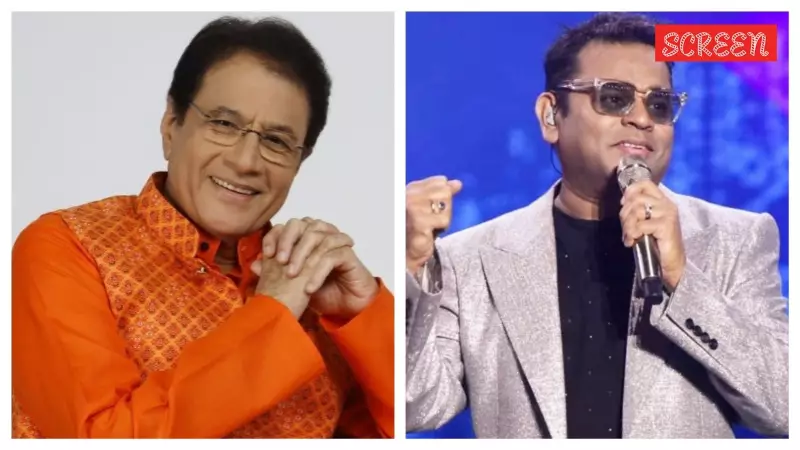
BJP Member of Parliament and veteran actor Arun Govil has strongly dismissed recent remarks by Oscar-winning music composer AR Rahman suggesting possible communal bias in the Hindi film industry. Govil, best known for his iconic portrayal of Lord Rama in Ramanand Sagar's television series Ramayan, argued that the film industry stands as a unique space free from religious prejudice.
"If There Was Communal Bias, How Would These Stars Have Emerged?"
Speaking at an event organized by the Federation of Western India Cine Employees and the Cine Artiste Welfare Trust, where he was honored for representing film industry interests in Parliament, Govil presented a compelling counter-argument. "Earlier, we've had actors like Dilip Kumar, he was the king of the industry in his time," Govil stated emphatically. "Even today, Shah Rukh, Salman, Aamir, they are all stars. If there were communal bias, how would they have become stars?"
The actor-turned-politician elaborated further on his position, asserting that "in our industry, it has never happened where people have not got work due to communal bias." He emphasized the inclusive nature of Bollywood, noting that "people of every religion have worked" in the film industry throughout its history. Govil concluded with a definitive statement: "In fact, the film industry is the only industry where there is no communal bias."

The Context of Rahman's Original Remarks
AR Rahman's initial comments came during an interview with BBC Asian Network last week, where the celebrated composer suggested there had been a "power shift" in the Hindi film industry over the past six years. Rahman expressed concern that "people who are not creative have the power now to decide things," and speculated that "this might have been a communal thing also, but not in my face."
The music maestro described receiving information through "Chinese whispers" about potential work opportunities that didn't materialize, suggesting possible religious bias in decision-making processes within certain music companies. However, following significant backlash and criticism from various quarters of the industry, Rahman issued a video clarification on social media, stating his intention had always been to "uplift, honour, and serve through music" and that he never wished to cause pain through his remarks.
Irony of Shared Ramayana Project
The exchange between Govil and Rahman carries particular significance as both artists are currently involved in Nitesh Tiwari's ambitious two-part film adaptation of the Indian epic Ramayana. Arun Govil plays King Dasharath, the father of Lord Rama, in this highly anticipated cinematic retelling, having previously portrayed Rama himself in the iconic 1987 television adaptation that became a cultural phenomenon across India.
Meanwhile, AR Rahman is co-composing the musical score for the same project alongside legendary Hollywood composer Hans Zimmer, creating an interesting collaboration between artists of different religious backgrounds working on a Hindu epic. Rahman himself acknowledged this diversity during his BBC interview, noting "Hanz Zimmer is Jewish, I am Muslim, and the Ramayana is Hindu" while expressing his familiarity with the epic from his school days studying in a Brahmin institution.
Broader Industry Reactions
Rahman's original comments have sparked considerable debate within Bollywood circles, with various industry figures weighing in on the sensitive topic of religious bias in filmmaking. Notably, filmmaker Ram Gopal Varma offered a different perspective, dismissing the communal angle entirely by asserting that "the film industry is only about making money" and doesn't concern itself with caste or religious considerations when it comes to business decisions.
This ongoing discussion touches upon deeper questions about representation, opportunity, and potential unconscious biases within India's massive entertainment industry, which has historically prided itself on being a secular space where talent transcends religious identity.

As the debate continues, Govil's forceful rebuttal represents a significant voice from within both the political and entertainment establishments, defending Bollywood's record of inclusivity while acknowledging the need for continued vigilance against any form of discrimination in creative fields.