Melania Trump Documentary Soundtrack Sparks Controversy Over Political Refusals
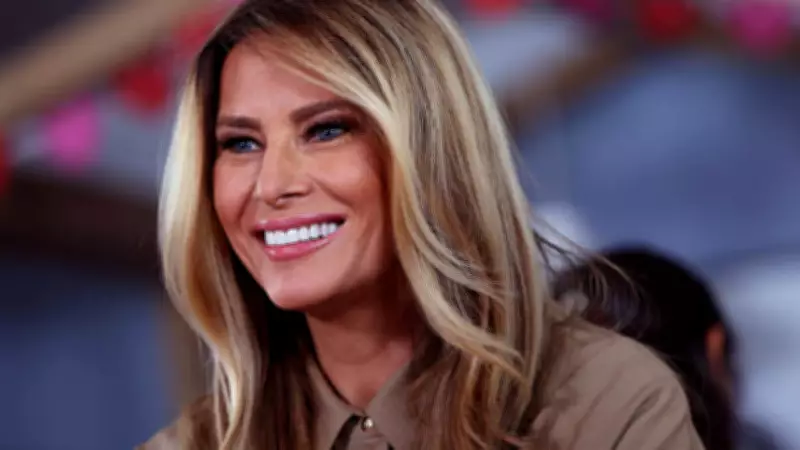
The soundtrack for the documentary film Melania has generated nearly as much public attention as the movie itself, though not for its musical selections. Instead, the focus has shifted to what the soundtrack notably lacks, following revelations from producer Marc Beckman in an exclusive interview with Variety magazine. Beckman, who also serves as an advisor to Melania Trump, disclosed that several prominent artists and estates declined requests to license their music for the project, with these refusals being attributed to political motivations.
Guns N' Roses and Grace Jones Decline Participation
According to Beckman, the production team had high hopes of securing a track from the legendary rock band Guns N' Roses. However, internal political disagreements within the band ultimately prevented the licensing deal from moving forward. "There was music that we tried to get, but sadly, there were politics to it," Beckman explained. "For example, the guys from Guns N' Roses split down the middle politically. There was a beautiful song we wanted to use, and one of the guys, I don't want to name, it's not fair, said, 'You got it. Go.' And the other one was basically like, 'There's just no way.'"
Since Guns N' Roses requires unanimous approval for all licensing decisions, the divided vote meant the track could not be included in the documentary. "So Guns N' Roses was definitely a disappointment for us; we all have a lot of respect for Guns N' Roses," Beckman added, expressing his regret over the situation.

In a similar vein, iconic singer and actress Grace Jones also turned down a request to use one of her songs. Beckman noted, "There was a song that we wanted to use from Grace Jones; obviously, also a tremendous amount of respect for her. She apparently couldn't get over the political hurdle, notwithstanding the fact that the film is not a political film. So that was disappointing, too. It's disappointing when people put politics so far ahead, and that happened a little bit with the film, for sure."
Prince Estate Blocks Last-Minute Licensing Deal
Beckman further revealed that the documentary came extremely close to licensing a track from the late music legend Prince, only to have the deal blocked at the last minute by his estate. "We were ready to go, and this lawyer that manages the estate was like, 'Prince would never want his song associated with Donald Trump,'" he recalled. "And we're like, 'But it's not a Donald Trump film! He comes into the movie once in a while, but this is all about Melania. It's not political.' And that guy blocked it. It's so ridiculous."
The documentary, which marks the first directorial project from Brett Ratner since multiple women accused him of sexual assault in 2017—allegations he has denied—follows Melania Trump during the twenty days leading up to her husband's second inauguration in early 2025. According to reports cited by Variety, the film has earned approximately $16 million worldwide to date, with Amazon MGM Studios paying $75 million to acquire and promote the project.
Radiohead Dispute Resurfaces Amid Licensing Challenges
This is not the first time the documentary has faced music-related scrutiny. Earlier, Jonny Greenwood of Radiohead and filmmaker Paul Thomas Anderson publicly objected to the use of a soundtrack cue from their 2017 film Phantom Thread, releasing a statement condemning the documentary's use of the music.
Beckman addressed this controversy again in his Variety interview, stating, "It's funny, Radiohead is one of my all-time favorite bands. For them to have come out publicly and distanced themselves, I think that's just part of the unfortunate time we're living in. We went out and created a nice film that doesn't get into any kind of political policy or anything like that. The music at that moment is so perfect, honestly, I was so thrilled to be able to use it."
He continued, "If they're trying to distance themselves from us, for political reasons, that's just unfortunate. But, honestly, I'll still remain a fan and listen to their music every single day."

The ongoing challenges highlight the complex intersection of entertainment and politics, as artists and estates navigate their associations with projects linked to polarizing figures. Despite these setbacks, the documentary continues to draw attention, underscoring the broader cultural and political divisions influencing the entertainment industry today.