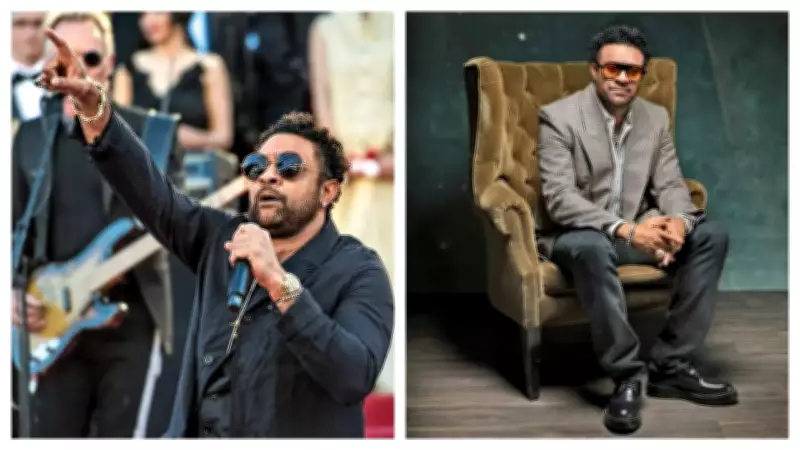
He may be best known for his song It Wasn't Me, but three decades on, Jamaican-American reggae artiste Shaggy continues to remain relevant. The two-time Grammy-winner built a career on a sound that never sat still, weaving reggae, dancehall, R&B and pop into hits like Boombastic, Angel and In the Summertime, that crossed borders and generations with equal ease. Now, with his latest studio album Lottery, Shaggy is sticking to the approach that has kept him going for years: believe in yourself, stay curious and keep evolving. In a telephonic conversation with Bombay Times, he spoke about artistic survival, genre fusion and the magic of Indian audiences. Excerpts...
What do you love most about Mumbai?
The contradiction of it. You have this incredible ancient culture and this modern city existing in the same space simultaneously. The food, the noise, the ambition, the dreams, it reminds me of Kingston in a way. That energy is very familiar to me.
You've survived changing eras of music - from CDs to streaming - while many of your contemporaries faded away. What's the hardest professional truth you had to accept to stay relevant?
I've learned that it's not all about me and that staying relevant means remaining curious - listening to what's coming up, collaborating with younger artistes and being willing to be the student at times. Ego will end your career faster than any bad album!

The music business today often rewards controversy and outrage. Do artists now have to be louder and more provocative to stay visible, or is longevity still possible through craft alone?
Controversy can get you attention, while craft can lead you to have an enduring career. I've watched a lot of provocative artistes burn very bright and disappear just as fast, because there's not much underneath the noise. Feel-good music can often be dismissed as light or easy, but making people feel genuinely good is one of the hardest things you can do. Thirty years in, I'll take that legacy.
Purists once criticised you for crossing genres too freely. Do you think the industry finally caught up, or do you still feel underestimated as an innovator?
A little of both, honestly. What they used to call me a sellout for, is now referred to as genre-fluid and innovative. I was blending reggae, R&B, pop and dancehall in the '90s - that's just who I am culturally. Jamaica has always absorbed influences and made them its own.
Your latest album Lottery revolves around the idea of betting on yourself. After achieving massive success, you experienced a career low. How did you rebuild yourself?
After the wave of It Wasn't Me and Angel, the industry somewhat wrote me off. Labels weren't calling. I kept recording anyway, kept performing, kept evolving. My years in the military taught me you don't stop moving because conditions are hard. You adapt and I just refused to give up.
India has one of the world's youngest streaming audiences and a growing independent music scene. Do you see potential for dancehall and reggae to go mainstream here beyond club culture?
Absolutely, and it's already happening. Streaming removed the gatekeepers; a young person in Mumbai can now discover artistes like me, Sean Paul, Chronixx and Spice, and connect those dots back to Jamaica without any radio station deciding it's relevant. The independent scene here is building its own hybrid sound. In a few years, you'll have Indian artistes fusing dancehall with regional music in ways that will blow the genre open.
Over the years, you've performed in different Indian cities. What do you have to say about audiences here who treat concerts like festivals?
The energy of fans here is incredible! Every lyric, every call and response, the crowd is with you completely. What moves me most is how well they know the music. Some of these are songs from decades ago and people are singing every word, every inflection. That's not just fandom, that's love and greatly appreciated.
Have you ever explored collaborating with Bollywood composers like AR Rahman, Shankar Mahadevan and Vishal Dadlani?
All these are incredibly gifted legends and I'd welcome the opportunity to collaborate with any of them. Indian music has incredible emotional depth.