In a recent column, social commentator Ira Pande shares her experience of watching two films—'The Devil Wears Prada 2' and the acclaimed Hindi movie 'Main Vaapas Aaunga'—and reflects on the enduring trauma of Partition, the changing habits of cinema audiences, and the need for peace.
Empty Theatres and Changing Habits
Pande notes that she has almost stopped going to movie halls, but recently ventured out to see two films. The theatre, located in a new mall, had only nine attendees for the Hollywood movie: a group of giggling girls and three greybeards. She questions the economics of running air-conditioning and staff for such a sparse audience, adding that many shows are cancelled due to lack of viewers. People now prefer streaming platforms, and theatres have resorted to charging exorbitant prices for popcorn—almost equal to the ticket price.
'Main Vaapas Aaunga': A Poignant but Overlong Film
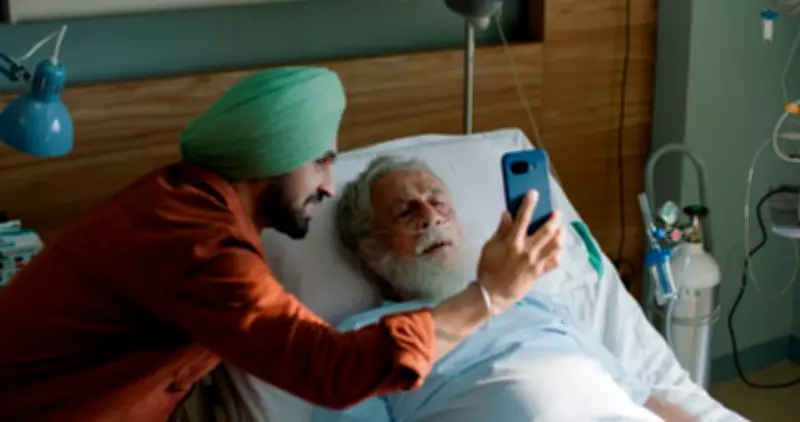
In contrast, the Hindi film 'Main Vaapas Aaunga' was much better attended, with the hall three-quarters full, including a wailing child. Pande praises the performances of Naseeruddin Shah as the old grandfather and Rajit Kapur as his son, as well as Diljit Dosanjh and the newcomers. However, she criticises the film's length, which she finds maudlin and tiresome. She wonders why Indian filmmakers stretch plots unnecessarily, perhaps to give audiences 'paisa vasool' or because viewers have lost patience due to fast-forwarding at home. She reminisces about the long, boring films of her youth, which were endured as a special monthly treat, fostering a respect for cinema that the current generation may lack.

Partition's Lingering Trauma
Pande then turns to the Partition, nearly 80 years later, and why its trauma is only now being understood. She notes that a Partition Museum has been created only in recent years to document the evidence of this cruel act by the departing British government, which drove a permanent wedge between faiths and communities. She questions why the truth was not told in the intervening decades.
She recalls two remarkable serials: Manohar Shyam Joshi's 'Buniyaad' and Bhisham Sahni's 'Tamas', as well as MS Sathyu's film 'Garam Hawa'. She laments that many people do not read novels in languages other than English, thus missing works by Dharmvir Bharati, Krishna Sobti, and Amrita Pritam. She expresses a wish for someone to adapt her mother Shivani's short story 'Lal Haveli', a tragic love tale of that time, into a film.
A Broader Historical Perspective
Pande recommends Sam Dalrymple's deeply researched book on the many partitions of India, reminding readers that India, Ceylon, Burma, and Afghanistan were once part of a great subcontinent. The civilisational memories of those ruptured limbs and blood ties persist, if only we could rise above India-Pakistan binaries. She concludes with a poignant question: 'How many wars will it take for peace to return?'