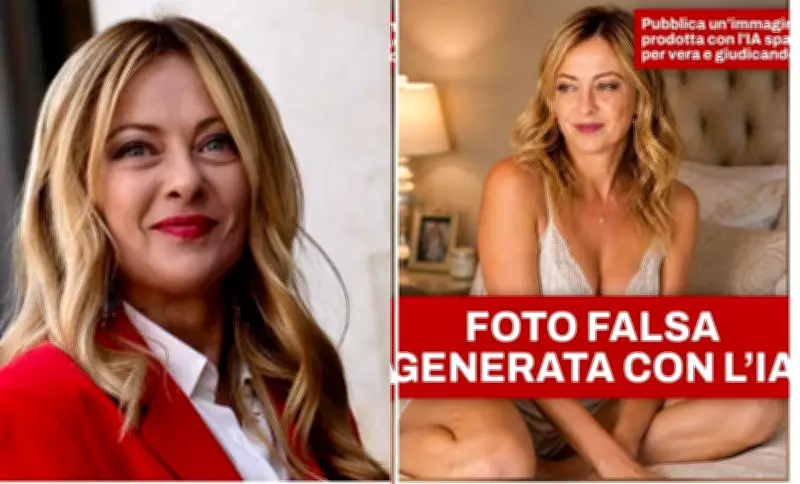
Italian Prime Minister Giorgia Meloni has issued a stark warning to the public after fake images depicting her in lingerie began circulating online. The doctored photographs, which appear to show Meloni in revealing attire, have been widely shared on social media platforms, prompting her office to condemn the malicious act.
Prime Minister's Response
In a statement released by her office, Meloni emphasized the dangers of sharing unverified content and urged citizens to think before reposting. She described the images as a clear violation of her privacy and a targeted attack on her character. The prime minister called for stricter regulations to combat deepfake technology and protect individuals from such digital exploitation.
Rising Concerns Over Deepfakes
The incident has reignited debates about the misuse of artificial intelligence to create convincing yet false imagery. Experts warn that deepfakes pose a significant threat to personal reputation and public trust. Meloni's case highlights how even high-profile figures are vulnerable to such attacks.

- The fake images were first spotted on Twitter and later spread to other platforms.
- Meloni's legal team is investigating the source of the doctored photos.
- Italian authorities are working with social media companies to remove the content.
Public Advisory
Meloni advised the public to verify information before sharing, especially when it involves sensitive or private matters. She stressed that spreading such material not only harms the victim but also fuels the cycle of disinformation. The prime minister also called for educational campaigns to raise awareness about digital ethics and the consequences of sharing unverified content.
As the investigation continues, Meloni remains focused on her duties, but her office has made it clear that legal action will be pursued against those responsible. This incident serves as a stark reminder of the need for vigilance in the digital age.