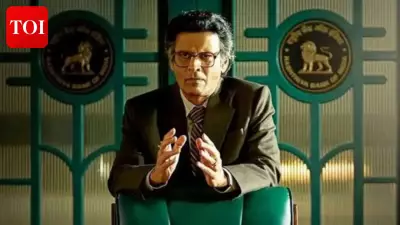
Costume designers are the unsung heroes of cinema, weaving narratives not just through dialogue and action, but through the very threads that clothe the characters. In a recent interview, Inchara Suresh, a seasoned costume designer, shared insights into the meticulous craft behind movie wardrobes, revealing how subtle techniques like ageing fabric with tea and sandpaper, and using color as subtext, can profoundly shape a character's story.
The Art of Ageing Fabric
One of the most intriguing aspects of costume design is the deliberate ageing of fabric to reflect a character's history. Suresh explains that designers often use everyday materials like tea and sandpaper to distress clothing, creating a worn, lived-in look that adds depth to the narrative. For instance, a character who has endured hardship might wear clothes that appear faded, frayed, or stained, subtly communicating their backstory without a single line of dialogue.
Tea and Sandpaper: Tools of the Trade
Tea is a favorite among designers for its ability to create natural, uneven stains that mimic years of wear. By steeping fabric in tea, designers can achieve a soft, yellowish tint that suggests age and exposure. Sandpaper, on the other hand, is used to abrade the fabric, creating frayed edges and thinning areas that evoke a sense of struggle or poverty. These techniques, while simple, require a keen eye for detail and a deep understanding of the character's journey.

Color as Subtext
Beyond ageing, color plays a pivotal role in costume design, often serving as a visual language that communicates a character's emotions, status, and transformation. Suresh emphasizes that color choices are rarely arbitrary; they are carefully selected to align with the character's arc. For example, a protagonist might start in muted tones, gradually transitioning to brighter hues as they gain confidence or find hope.
The Psychology of Hues
Designers draw on color psychology to evoke specific responses from the audience. Red might signify passion or danger, blue can convey calm or sadness, and yellow often represents optimism or caution. In period films, color can also indicate social standing, with rich, vibrant dyes reserved for the wealthy, while muted, earth tones are used for peasants. This nuanced use of color helps to reinforce the story's themes and character development.
Collaboration and Vision
Costume design is a collaborative process that involves close work with directors, actors, and production designers. Suresh notes that understanding the director's vision is crucial, as costumes must integrate seamlessly with the overall aesthetic of the film. Actors also provide input, as they need to feel comfortable and authentic in their costumes to deliver convincing performances. This synergy ensures that every stitch and shade contributes to the storytelling.
In conclusion, costume design is far more than selecting clothes; it is a sophisticated art form that uses fabric, texture, and color to breathe life into characters. As Suresh's insights reveal, the seemingly simple act of ageing a shirt with tea or choosing a particular shade of blue can speak volumes, making the invisible visible and enriching the cinematic experience.