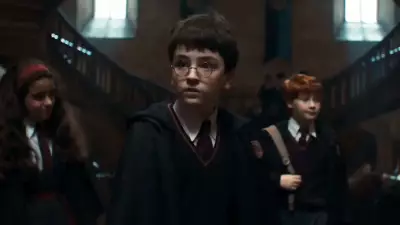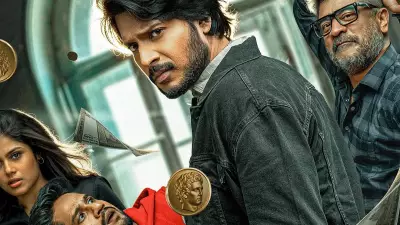
Filmmaker Imtiaz Ali has opened up about the inspiration and creative process behind the song 'Maskara' from his upcoming film Main Vaapas Aaunga. Sharing details through his Instagram series MVA Diaries, Ali posted archival visuals along with an audio note describing the track's development. Set against the backdrop of the 1947 Partition era, the film features an ensemble cast including Diljit Dosanjh, Naseeruddin Shah, Vedang Raina, and Sharvari Wagh. The music is composed by A. R. Rahman, with lyrics penned by Irshad Kamil.
Song Evolved Without Fixed Structure
According to Ali, 'Maskara' was not built through a rigid or pre-designed structure. The team traveled to Punjab for the shoot without having a choreographer finalized at the start. The idea of the sequence gradually developed during discussions around the characters. What began as a simple concept slowly evolved as the creative team explored the emotional layers of the story. The tone of the song shifted over time, becoming more expressive and detailed as the shoot progressed. The director explained that the process allowed the scene to grow organically rather than being locked into a fixed visual format from the beginning.
Sharvari Wagh's Personal Memory Shaped Emotional Core
A key turning point in the creative process came after a conversation with Sharvari Wagh. The actress shared that during her childhood, she was not allowed to attend social events like prom. She would often imagine herself dancing alone in her room. Imtiaz Ali said this memory became central to the emotional foundation of 'Maskara'. It influenced the way the sequence was visualized, especially the idea of a single dancer creating an imagined partner. According to him, this sense of solitude and imagination helped define the emotional language of the song.

Choreographer Nancy Dogra Later Joined
While the emotional vision was clear, Ali said the execution required additional creative support. Choreographer Nancy Dogra later joined the project to translate these emotional ideas into structured movement on screen. Imtiaz explained that he focused on the feeling and internal rhythm of the scene, while the choreography team worked on converting those ideas into physical form. This balance helped the performance maintain both spontaneity and structure. The result was a visual approach that combined natural emotion with planned movement, creating a layered performance style.
Turban Moment in 'Main Vaapas Aaunga' Reflects Identity Shift
Imtiaz Ali also addressed the specific visual detail involving Sharvari's character, Gia. In the song, she is shown imagining Vedang Raina's character, Kinu, while performing. During this imagined interaction, Gia begins to take on aspects of Kinu's personality. This emotional transition is represented through her wearing a turban in certain moments of the sequence. The director explained that the intention was not literal storytelling but emotional symbolism, showing how deeply she connects with the imagined presence.
Music and 'Main Vaapas Aaunga' Release Details
Imtiaz Ali hinted that the musical composition also played a key role in shaping the final version of 'Maskara'. While he did not elaborate extensively, he suggested that the sound design supports the emotional intimacy of the visuals. Main Vaapas Aaunga, directed by Imtiaz Ali, is scheduled for a worldwide theatrical release on June 12.