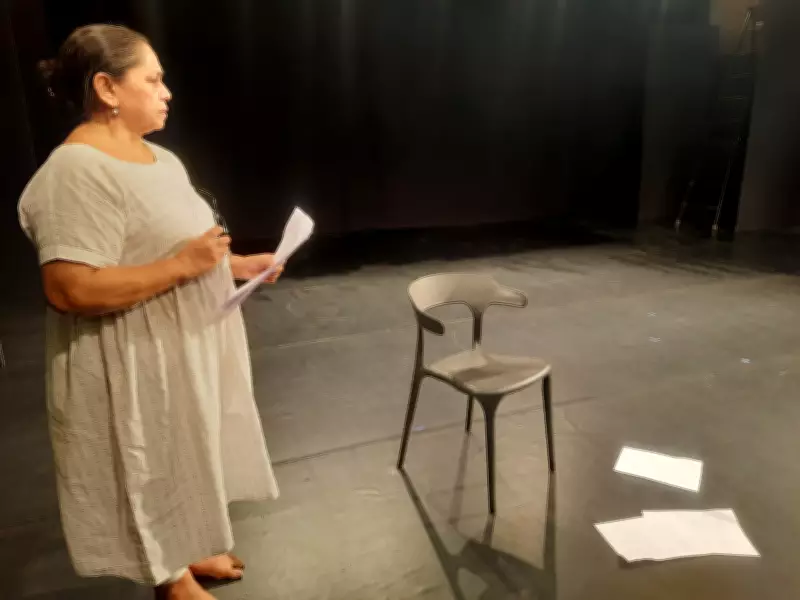
A 70-minute monologue titled Ek Madhav Baug delves into the emotional journey of a divorced mother and her gay son, exploring themes of yearning and belonging. Originally written in Marathi in the 1980s by the late playwright Chetan Datar, the play centers on a woman living at Ek Madhav Baug in Mumbai with her three sons. The narrative focuses on her youngest and most beloved son, who is gay, addressing mental well-being concerns for queer individuals and their families.
Plot and Themes
The play is a poignant exploration of the mother's dilemmas and anxieties after she accidentally discovers her son's personal diary, revealing his experiences with homosexuality. "The woman begins to question her own life choices and sexuality as she comes to terms with her son's reality," said Suhita Thatte, who portrays the protagonist.
Production Details
Directed by Deepa Dharmadhikari, founder of the queer theatre festival SatRang Mahotsav, the play will be staged at 6 PM on June 20 at Shreeram Lagoo Rangavkash, followed by a panel discussion on Datar and his works. Datar wrote the play at a time when homosexuality was rarely discussed, shedding light on layered realities and societal stigmas faced by women and gay men. "The prejudices persist even though people are more liberal today," Thatte noted.

Mother's Contemplation
Thatte explained, "The mother contemplates loneliness and acceptance through her son’s lived experiences. She worries he may face the same lack of support as she did." Datar, known for understanding women's feelings, inspired Thatte deeply. "I shared a deep emotional connect with Datar and worked on several projects with him. He understood the nuances of a woman’s behavior, which drew me to the play reading," she added.
Versions and Reach
The English and Hindi versions are enacted by actor Mona Ambegaonkar, produced by the Humsafar Trust, India’s first LGBTQIA+ community-based organization in Mumbai. The play has completed over 100 shows in Hindi, English, and Marathi across India.
Datar's Artistic Vision
Thatte recalled Datar's experimental techniques, such as in Jungle Mein Mangal, based on Shakespeare’s A Midsummer Night’s Dream, where women dressed as men and vice versa, leading many to explore their sexuality. "I have no inhibitions in playing a character discovering her sexuality, even if some find it difficult to confront such complex thoughts," she said.
Thatte believes Datar would be pleased with the long-overdue recognition for the LGBTQIA+ community. "I would like to tell the audience to be open and embrace people, no matter what their sexuality," she concluded.