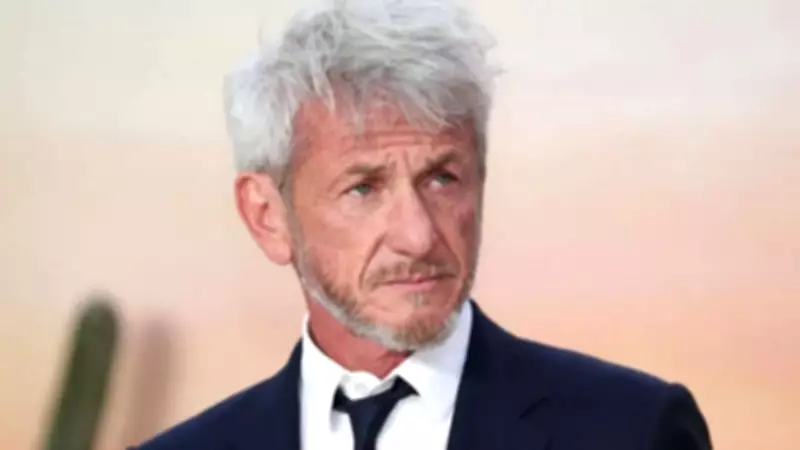
Sean Penn did not merely become an actor; he evolved into one of the most respected and serious performers in cinema. Films like 'Mystic River' and 'Milk' demonstrated his ability to carry major dramatic roles and win prestigious awards. He has won Academy Awards and been nominated for Golden Globes, portraying characters that demanded incredible depth and vulnerability. He has collaborated with major directors on films that challenged audiences. Beyond acting, Penn has been one of Hollywood's most outspoken figures on issues that matter to him. He has traveled to war zones, interviewed world leaders, and used his platform to challenge power structures and call out injustice. He remains a complicated figure in an industry built on simplicity and easy narratives.
When examining his entire career, a pattern emerges—a throughline of someone genuinely uncomfortable with the machinery of stardom itself. He questions the entire system even after achieving everything it offers. This is evident in his words, which often shed light on various aspects of life, career, and more. For instance, he once said, 'Turning one's back on stardom might be the highest form of common sense. One that I would aspire to be more complete with.'
Quote of the Day by Sean Penn
'Turning one's back on stardom might be the highest form of common sense. One that I would aspire to be more complete with.'

Sean Penn made this statement in January 2012 during the Sundance Film Festival. He was promoting his film 'This Must Be the Place', and when reporters asked about his character, he became candid. His character is an aging, retired rock star who leaves fame behind to live a quiet, isolated life. When asked if he could relate to that desire to escape fame, Penn admitted he frequently thinks about ducking out of the Hollywood limelight. He felt that walking away from stardom was a smart, sensible choice—one he wishes he could fully achieve.
But he did not stop there. In that same interview, he expressed frustration with modern fame, calling celebrity culture an 'obscene disease' that degrades the quality of culture. He was not being diplomatic; he was being honest about how he truly feels about the system he has been part of for decades.
What Does It Actually Mean?
Sean Penn is describing something most successful people in entertainment never say out loud—that the whole thing might be a trap. Stardom might be the opposite of what it is supposed to be. Achieving everything the industry tells you to want might actually be a form of losing yourself.
When he talks about turning one's back on stardom as the highest form of common sense, he suggests that if you could see the system clearly, you would realize that pursuing fame works against your own interests. It is a bad trade: privacy for attention, authenticity for a brand, peace for chaos.
He then adds something important: 'One that I would aspire to be more complete with.' He is not claiming to have achieved this; he is not judging those who stay in the game. He is expressing a wish to walk away more completely than he has. Even knowing all this intellectually, he has not been able to fully achieve it.
This is an honest admission from an actor. Once you are in the system and have tasted success and recognition, it is almost impossible to fully extract yourself. You want to, you know it would be better, but you are already caught, defined by it, with your identity wrapped up in it.
The part about celebrity culture being an 'obscene disease' is Penn being blunt about what he sees in entertainment. He refers to the obsession with celebrity, how the industry manufactures and exploits celebrities, creating a sick system that is not healthy for those caught in it or for culture as a whole.
In 'This Must Be the Place', his character lives the fantasy Penn describes—walking away, giving up fame and money, finding peace in obscurity. It is a fantasy because in real life, it is almost impossible once you are at Penn's level. The machinery, your own history, habits, and attachments will not let you go.

The fact that Penn keeps returning to this idea, making films about characters who escape the system, and talking about wanting to walk away suggests he sees something deeply wrong with the enterprise. He dares to say it out loud, even if it might damage his brand and standing in an industry that does not take criticism from within kindly.
Who Is Sean Penn?
Born Sean Justin Penn in 1960 in Los Angeles, California, he emerged as one of the most respected actors by consistently choosing challenging, complex roles and bringing depth to every character. According to IMDb, his filmography includes 'Fast Times at Ridgemont High', 'The Falcon and the Snowman', 'Colors', 'Casualties of War', 'State of Grace', 'Dead Man Walking', 'The Game', 'Sweet and Lowdown', 'I Am Sam', 'Mystic River', 'The Interpreter', 'Into the Wild', 'Milk', 'The Tree of Life', 'Gangster Squad', 'The Gunman', and many others.
He has been nominated for two Oscars for acting and has won two Best Actor awards. He has received several prestigious awards at worldwide film festivals and has been nominated multiple times for the Academy Awards. In addition to acting, he has directed movies and documentaries, showcasing his directing talents. He has taken his platform to conflict zones, met with world leaders, and spoken about political matters. He has criticized celebrity culture and the entertainment industry, rather than being a victim of it. He has made movies that jolt audiences and the industry.
What distinguishes Sean Penn is not just his talent but his refusal to play the Hollywood game. He has been critical of the system even as he succeeded within it. He has made films about characters who escape fame and success, reflecting his own ambivalence. His statement about celebrity culture being an obscene disease and stardom being a trap represents someone who has spent decades at the top and genuinely questions whether being at the top is worth the cost.
About the Author
The TOI Entertainment Desk is a dynamic team of journalists working to bring the pulse of the entertainment world to readers of The Times of India. They cover Bollywood to Hollywood and every entertainment hotspot, providing scoops and insider insights. Beyond breaking news, they present a celebration of culture, exploring intersections of entertainment with society, politics, and everyday life.