A recent analysis by The New York Times of Usha Vance's maternity dress has ignited a widespread discussion about the media's treatment of political spouses. The article, published on June 25, 2026, dissected the fashion choice of Vance, who is the wife of Republican vice presidential candidate J.D. Vance, and examined the public and media reactions to her appearance.
The Dress That Started It All
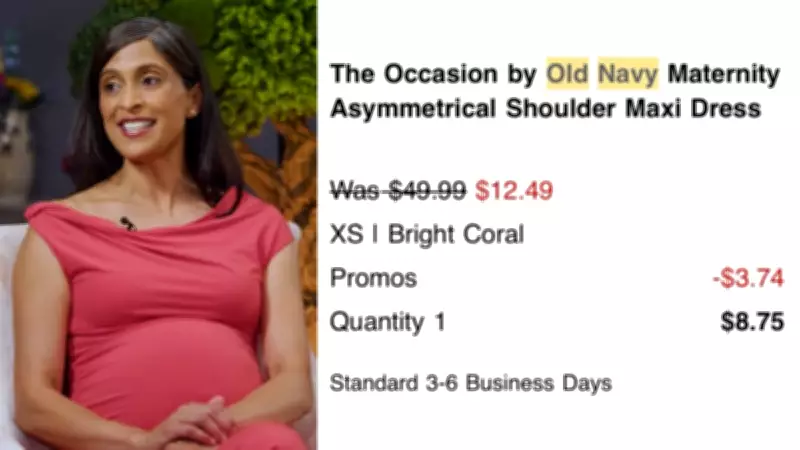
The controversy began when Usha Vance wore a floral maternity dress at a campaign event. The New York Times analysis, titled "The Message Behind Usha Vance's Maternity Dress," argued that the dress was a strategic choice to soften the image of her husband, who has been criticized for his past comments on women and families. According to the article, the dress symbolized traditional family values and aimed to appeal to suburban women voters.
The analysis quickly went viral, with social media users debating whether the media was overanalyzing a simple fashion choice or if the scrutiny was justified. Some praised the Times for highlighting the subtle messaging in political fashion, while others accused the publication of sexism and trivializing the role of political spouses.

Public and Political Reactions
The debate escalated when several conservative commentators criticized the New York Times for focusing on Vance's appearance rather than her professional accomplishments. Usha Vance, a lawyer and former law clerk to Supreme Court Justice Brett Kavanaugh, has maintained a relatively low profile during the campaign. Her dress choice became a lightning rod for broader discussions about gender, media bias, and the role of spouses in politics.
According to a spokesperson for the Vance campaign, "Usha's dress was a personal choice, and any attempt to read political strategy into it is misguided." The campaign declined to comment further. On the other hand, some Democratic strategists saw the analysis as a legitimate critique of how political families are packaged for public consumption.
Broader Implications for Media Coverage
The incident has prompted a broader conversation about how the media covers political spouses. A study by the Pew Research Center found that coverage of female political spouses is 30% more likely to focus on appearance than on policy or professional achievements. The New York Times analysis, intended to be a thoughtful examination of political messaging, inadvertently highlighted this disparity.
Media critics have pointed out that similar scrutiny is rarely applied to male political spouses. For example, Doug Emhoff, husband of Vice President Kamala Harris, has received minimal fashion analysis despite his own public appearances. This double standard has fueled accusations of sexism in political journalism.
The Role of Social Media
Social media platforms played a significant role in amplifying the debate. On X (formerly Twitter), the hashtag #UshaVanceDress trended for several hours, with users sharing memes and opinions. Some users defended the New York Times, arguing that fashion analysis is a valid form of political commentary. Others called for a boycott of the publication, claiming it had crossed a line.
The controversy also sparked discussions about the fine line between legitimate analysis and invasive scrutiny. As one user wrote, "There's a difference between analyzing a candidate's policies and dissecting their spouse's dress. The media needs to focus on what matters."
What This Means for the Campaign
For the Vance campaign, the dress controversy has been both a distraction and an opportunity. While it has drawn attention away from policy issues, it has also allowed the campaign to portray itself as a victim of media bias. J.D. Vance himself addressed the issue briefly, saying, "My wife is a brilliant lawyer and a wonderful mother. The media should focus on her substance, not her style."
Political analysts suggest that the incident could galvanize conservative voters who feel that mainstream media unfairly targets Republican families. However, it may also alienate moderate voters who view the controversy as trivial.

As the campaign continues, the Usha Vance dress incident will likely be remembered as a case study in the complexities of modern political communication. Whether it will have a lasting impact on the election remains to be seen, but it has certainly sparked a necessary conversation about media ethics and gender roles in politics.