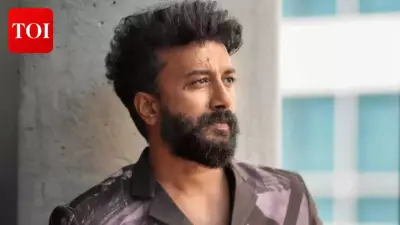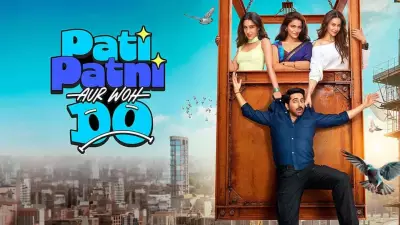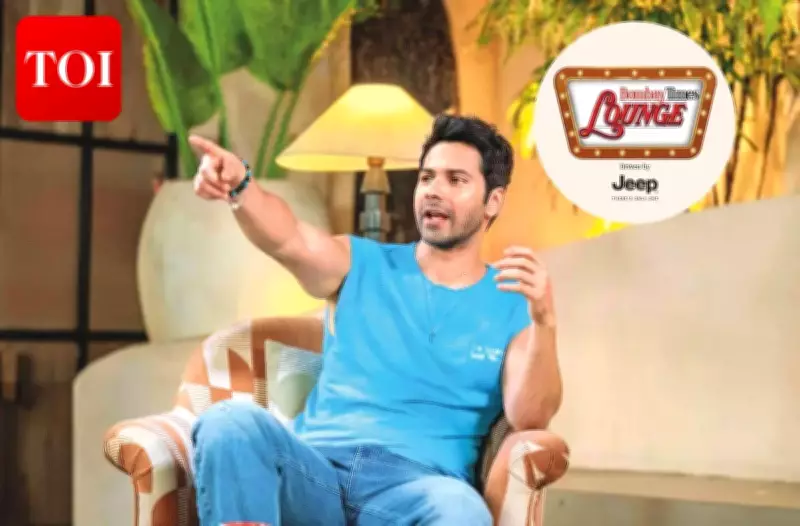
Charming and full of energy, Varun Dhawan brings his infectious sense of humour to the latest episode of the Bombay Times Lounge driven by Jeep. But beyond the laughs, the actor — whose latest release, Hai Jawani Toh Ishq Hona Hai, directed by David Dhawan, hit theatres on Friday — reveals a more reflective side as he opens up about the dangers of chasing perceptions, the pressures of fame, and why staying true to yourself matters more than ever. A conversation that’s equal parts entertaining and insightful — much like Varun himself.
Staying True to the Heart of Classic Entertainers
When asked how he stays true to the heart and soul of classic entertainers while making a comedy like Hai Jawani Toh Ishq Hona Hai, Varun shared his father’s philosophy. David Dhawan, who created a certain grammar of mainstream Hindi entertainment in the 90s, always said, ‘I never went in to make comedy films. I was making entertainers. I wanted to entertain people. There was romance, emotion, drama, a little action, and also laughter. But without those emotions, those films would not be what they were.’ Varun noted that while people and critics labelled them as comedy, they were actually wholesome entertainers.
Comedy as Nuanced Reality
Varun recalled the David Dhawan Film Festival, where they screened Aankhen. Watching it on the big screen, he found it still entertaining and magical. “The comedy is not forced, it’s not gaggy… that, yaar, this is trending, so saying this will work. It’s very close to real things that happen around us. I believe comedy is basically about capturing the nuances of real life and maybe magnifying them a little bit,” he said.

Overcoming Early Career Advice
Varun revealed that during the initial years of his career, after his debut Student of the Year (2012), he was advised not to do comedy. A very popular director told him, ‘I wanted to cast you in a film, but I feel the kind of cinema you’re doing, you can only do that. But you should not do such cinema.’ Reflecting on that, Varun simply said, “And here we are…”
Emotional Journey as a Son
David Dhawan recently said that Hai Jawani Toh Ishq Hona Hai could be his last film as a director. Varun shared the emotional journey behind it. “At one point, we thought that he wouldn’t direct a film again because his health was down. So, Rohit (brother), my mom and I, felt he should not direct a film. He was going through a very low phase,” Varun recalled. However, Anil Kapoor advised him to let his father get back on set, saying, ‘He has spent more time on the set than he has spent at home. His home is the set and behind the camera. We are built differently, Varun. We have worked a lot, so if he finds happiness there, let him do it and as a son support him.’ Varun understood and supported his father, despite initial hesitation from his brother Rohit.
Preparedness for Fame and Failure
Having grown up within the film industry machinery, Varun was asked if he was more prepared to embrace fame, success, and failure. He replied, “I think no one comes prepared to deal with the ups and downs in their life. I’ve had my share of ups and downs and my moments of weakness. But what I have learnt is — you have to move on and take the next step. You can dwell over it and feel bad for yourself. You can play victim, but how long will you play victim? This is something that my dad always tells me — move on, take the next step, you have to take the next step. There’s no point sitting and blaming people for your sorrows and think… ki I’m here because he did this to me, or this happened to me. Bro, you must also have some fault, right? So, introspect, take the learnings and move on. Blaming anyone is not going to get you anywhere.”

Letting Go of the Chase for Perceptions
Varun spoke about how much of life is spent chasing perceptions — of success, relevance, being number one. He asked, “What is number one? It means you’re better than someone. There’s always going to be someone better than you. Someone will come along and something will change. My idea is to just do my work in the best way possible and enjoy the journey. There was a time when we were all being brought up in that very individualistic mindset. I myself have moved away from it a little bit. I was running too fast and sometimes when you do that, you forget which direction you are running in.”
The Dangerous Addiction of Fame
When asked about the most dangerous thing about fame, Varun simply said, “It’s addictive.” He also shed light on the lonely moments that the audience doesn’t see. “The lonely moments that you spend with yourself. When you’re all alone in your van, when you’re all alone in your house — those are the lonely moments. Actors’ lives are very lonely, and this is something which I always discuss. I would say most actors are lonely.”
Dropping the Façade
Varun emphasised the importance of being oneself. “Luckily, from the beginning, I kind of dropped the façade. I am what you see. I can’t keep pretending, because I feel my mental health will go for a toss and I will burst somewhere. I mean, if you see my earlier interviews, I was even more outspoken. Now people are a bit more conscious because of social media and all that. But what’s going to happen? What will they do? Cancel me? After a point, you’ve just got to be yourself, whether it’s good or bad — at least you’re yourself. Otherwise after some time, you won’t even know who you are.”
The Challenge of Making Films vs. Selling Tickets
As someone who understands the economics of cinema, Varun was asked what is tougher today — making a film or bringing people to buy a ticket. He said, “I feel that bringing people to come and buy the ticket is tough today. You can make a good film, and many good films are being made, but not all of them make money. It’s not like we are not making good films. I saw Superboys of Malegaon and I really liked it. I loved Laapataa Ladies and 12th Fail; the movie was also a hit, but it could have made even more money given that it was such a good film. Then there is a film like Dhurandhar, which is an entertaining film, it has stars and everything comes together and it does well. So, it’s possible, but not easy. It was never easy.”
Watch the full episode of Bombay Times Lounge with Varun Dhawan on the Bombay Times YouTube channel.