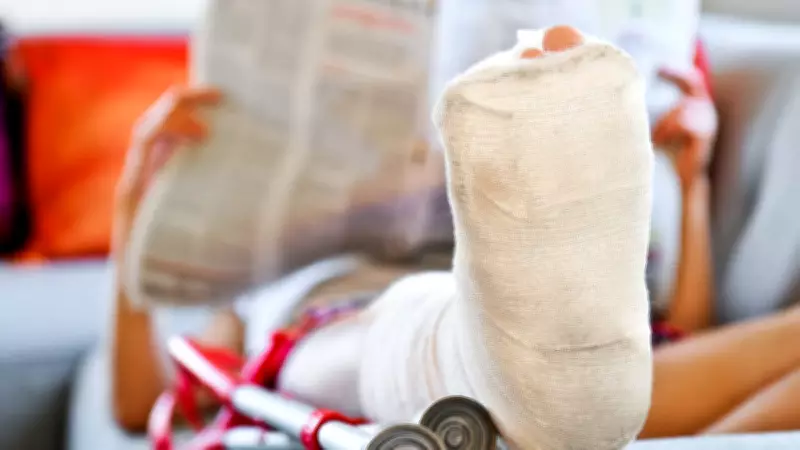
It started with a simple misstep. A wet floor, a sudden loss of balance, and then a sharp crack that echoed through the house. Within seconds, my life—and my family’s—was turned upside down. A broken leg, it turns out, does more than just cause physical pain; it reshuffles roles and responsibilities in ways you never anticipate.
The Accident
I was rushing to answer the door, my mind already on the next task, when my foot slipped on the freshly mopped kitchen floor. The fall was swift, and the pain immediate. An X-ray later confirmed a fracture in my tibia, requiring surgery and months of recovery. Suddenly, the person who had always been the caregiver, the organizer, the one who held everything together, became the one in need of care.
Role Reversal
My spouse, who usually relied on me for daily tasks, had to step up. They took over cooking, cleaning, driving, and even helping me with basic hygiene. It was humbling and, at times, frustrating. I had to learn to ask for help, to be patient when things weren't done my way, and to accept that my independence was temporarily gone. Our children, too, had to adjust. The youngest, who always came to me for comfort, now had to turn to their other parent. It was a lesson in flexibility for everyone.

Challenges and Discoveries
The first few weeks were the hardest. Simple activities like showering or going to the bathroom required assistance. I felt like a burden, and the lack of autonomy weighed heavily on my mental health. But as time passed, I began to notice small triumphs. My spouse discovered a talent for cooking meals that were both nutritious and delicious. Our children learned to be more considerate and helpful. And I, lying on the couch with my leg elevated, found time to read, reflect, and appreciate the small acts of kindness around me.
Lessons Learned
This experience taught me that vulnerability is not weakness. It is a reminder that we are all interconnected, and that allowing others to care for us can strengthen bonds. It also highlighted the importance of communication. We had to talk openly about our fears, frustrations, and needs. Those conversations brought us closer.
Now, as I slowly regain my mobility, I carry these lessons with me. The broken leg is healing, but the shift in roles has left a permanent mark. I am more grateful for my family, more aware of the invisible labor of caregiving, and more willing to embrace change when life throws a curveball.