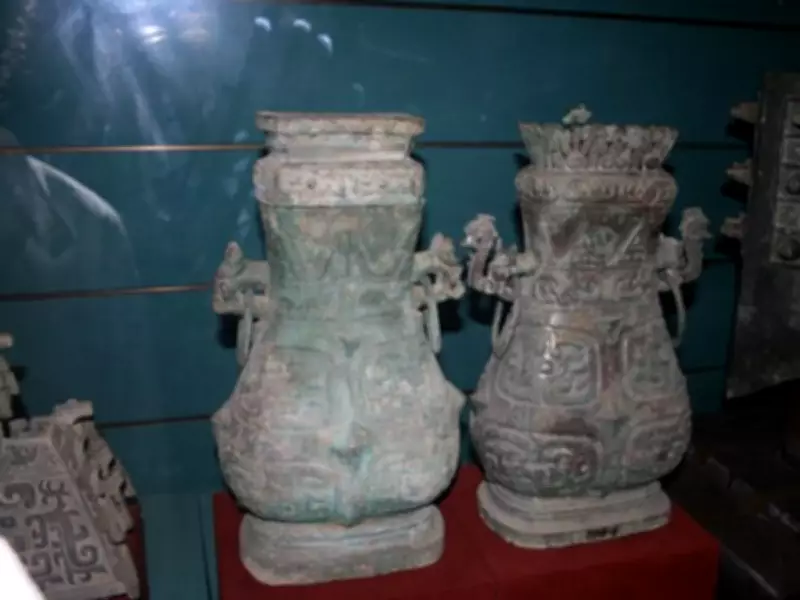
This is precisely what a group of scientists accomplished while excavating an ancient aristocratic tomb at the Liujiawa archaeological site in northern China. The cemetery dates back to the Spring and Autumn period in Chinese history, a time marked by intense rivalry between various states. However, alongside bronze weapons and tokens of political power, researchers unearthed a surprisingly personal artifact.
A Recipe Preserved by Time
For centuries, organic products such as skin creams, oils, and salves have decomposed, leaving researchers to speculate about the substances used in ancient societies. The discovery at Liujiawa is exceptionally rare, as the fragile material survived long enough to undergo chemical analysis in the laboratory. The analysis revealed that the ancient cosmetic product was created through a deliberate process, not merely by applying raw materials.
As reported in the journal Archaeometry, the residues consisted of a combination of animal fat and a mineral component most likely sourced from caves. According to the researchers, the mineral was monohydrocalcite, commonly found in limestone caves as moonmilk. This suggests a carefully considered recipe in which animal fat served as a moisturizer, while the mineral powder altered the texture and whiteness of the face. Ancient cosmetic manufacturers possessed considerable knowledge of material design, even before its formal description.

Status and Identity in the Ancient World
Cosmetics in today's society are often viewed as a means of expressing personal style and individuality. In ancient Chinese culture, however, grooming was used to demonstrate status, ritual preparation, and political power. The bottle, buried with an aristocratic man, indicates that skincare rituals were important among elites of both sexes.
During the Spring and Autumn period, physical appearance could signal social standing and wealth. Rare materials, including those obtained from caves requiring specific extraction methods, were affordable only by members of the upper class. Burying the nobleman with his face cream may have served two purposes: it could have reflected a product the deceased used in life, and it might have symbolized his high social position in the afterlife.
Cosmetic Craftsmanship History
For a long time, individual examples like the Liujiawa jar were considered curious historical anomalies. However, recent scientific discoveries suggest that ancient China developed its own organized cosmetic industry. Craftworkers appear to have used standardized recipes and techniques.
This historical trend is supported by new findings that span across eras and cultures. For instance, a paper published in 2026 in Heritage Science discusses a cosmetic residue found at the Kongwangshan site in Jiangsu, dating to the Han Dynasty. The article states that the formulation included finely crushed mica, plants, and porcine fat. Although the Kongwangshan discovery comes from a different context, the basic principle was similar: a fat base combined with minerals to create a personalized cosmetic product.
What the Ancient Residue Does Not Reveal
While modern chemistry allows precise identification of the substances used in the ancient creams, certain secrets remain unsolved. It is unknown exactly how the ancient manufacturer produced the product or how the nobleman applied it. Nevertheless, the Liujiawa cream holds tremendous value. It provides a unique and tangible relic from a time when organic items were rarely found in good condition. Experts have used the small vessel to better understand ancient cosmetic practices.