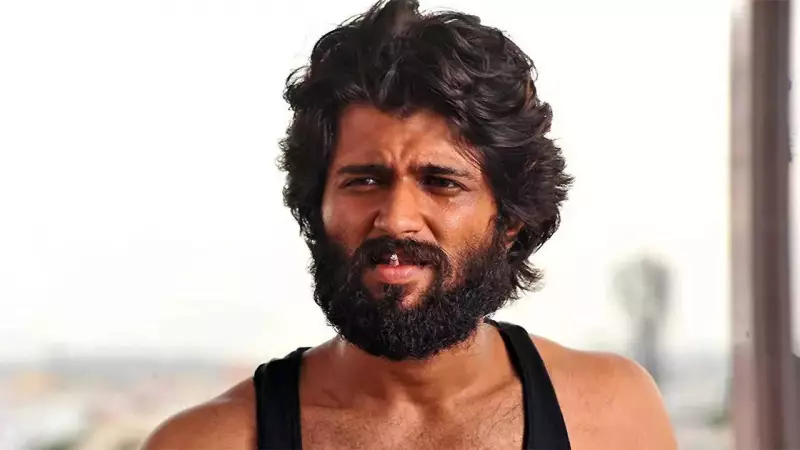
In the landscape of Telugu cinema, a seismic shift occurred in the portrayal of the romantic hero, largely driven by the bold performances of actor Vijay Deverakonda. Moving away from invincible, flawless characters, a new archetype emerged—one fraught with imperfections, anger, and a desperate need for personal growth. This redefinition, which began around the mid-2010s, permanently altered audience expectations and expanded the emotional vocabulary of mainstream Telugu storytelling.
The Blueprint of a Flawed Anti-Hero
The revolution can be traced directly to the 2017 blockbuster Arjun Reddy. Vijay Deverakonda's portrayal of Arjun, a brilliant but self-destructive medical student, was a confrontational masterclass. The film, released to both acclaim and controversy, did not shy away from his toxic rage, addiction, and professional downfall following a painful breakup. This performance was emotionally raw and unapologetic, forcing viewers to grapple with themes of love, male entitlement, and severe consequences. It shattered the existing template, proving that a romantic lead could be deeply flawed yet compelling, setting a new benchmark for years to come.
Romance Tied to Accountability and Growth
This new model evolved further with 2019's Dear Comrade. Here, Deverakonda played Bobby, a hot-headed student union leader whose temper consistently jeopardizes his relationships. His romance with Lilly, a national-level cricketer, is not about grand apologies but fundamental change. The film intricately wove together personal trauma, public activism, and intimacy, making tenderness a reward for genuine accountability. The lover boy was no longer just passionate; he had to earn trust daily through restraint and conscious evolution, reshaping the very foundation of the on-screen romantic partnership.

Not all redefinitions were rooted in intensity. Pelli Choopulu presented a different, more relatable facet. As Prashanth, an aimless graduate, Deverakonda showcased a romance built on shared hustle and quiet ambition. The connection with Chitra grows through practical negotiations and small failures while planning a food truck business, not dramatic declarations. This performance made the Telugu lover boy feel authentically awkward and aspirational, highlighting partnership over pedestal-worship.
Expanding Range Beyond the Romantic Core
Deverakonda also demonstrated that this new-age hero could thrive outside pure romance. In Geetha Govindam, he embraced breezy comedy as Vijay Govind, a polite lecturer trapped in a series of comical misunderstandings. The film's success proved his ability to headline a mainstream romantic hit while keeping the character earnest and vulnerable, not invincible. Similarly, Taxiwala saw him pivot to genre-blending, playing Shiva, a graduate turned cab driver dealing with a potentially haunted vehicle. His grounded performance anchored the supernatural thrills, showcasing versatility and expanding his audience appeal beyond romantic dramas.
The collective impact of these five films—Arjun Reddy, Dear Comrade, Pelli Choopulu, Geetha Govindam, and Taxiwala—marks a significant chapter in Telugu cinema. Vijay Deverakonda, through these varied roles, dismantled the myth of the perfect hero. He introduced a generation of characters who were volatile, struggling, comedic, and deeply human. This breakthrough demanded that the lover boy be not just an object of admiration but a subject of introspection, making the journey of love as much about internal reform as external romance. The legacy of this redefinition continues to influence the characters and stories that captivate audiences today.