Costume Designer Ayesha Dasgupta Decodes the Sartorial Politics of Freedom At Midnight
Nikkhil Advani's acclaimed web series Freedom At Midnight on SonyLIV has captivated audiences with its gripping portrayal of India's struggle for independence. Beyond the dramatic narrative and pivotal historical moments, the series offers a profound exploration of how clothing shapes politics, ideology, and leadership. The show's meticulous attention to costume design recently earned costume designer Ayesha Dasgupta the prestigious Filmfare OTT Award for Best Costume Design. In an exclusive interview, Dasgupta delves into her research-driven process and the challenges of recreating a defining era through authentic attire.
Fabrics as Political Statements: Khadi, Handspun Cloth, and Western Suits
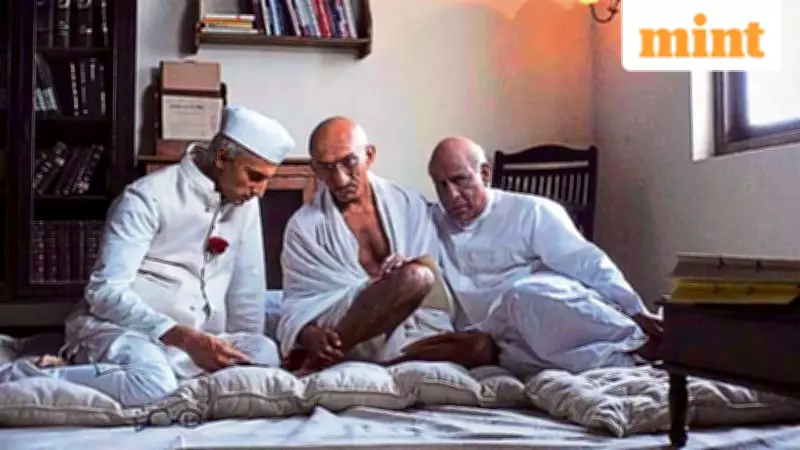
When asked about selecting fabrics for different characters, Dasgupta emphasized that textiles played a crucial role in reflecting political ideologies. For Mahatma Gandhi, the team exclusively used handspun cloth for his dhoti and gamcha to achieve the correct texture and drape. "All members of the Indian National Congress wore Khadi and organic cotton," she explained. "Khadi symbolized economic independence from colonial rule and aligned with Gandhian principles. Using anything else would have looked like a costume and undermined the seriousness of these national leaders."
In contrast, leaders of the Muslim League, including Muhammad Ali Jinnah, and British figures like Lord Mountbatten wore suits. "We avoided cottons for them because they didn't come from those worlds," Dasgupta noted. This deliberate choice highlighted the cultural and political divides of the time.

Working with Khadi: Challenges and Techniques
Dasgupta described Khadi as a wonderful fabric to work with, available in various qualities from stiff to very soft. The selection depended on the desired silhouette. "We washed the fabric multiple times and used softeners to achieve the right fall," she shared, underscoring the effort required to authentically recreate historical garments.
Articulating Power and Resistance Through Clothing
Clothing was instrumental in conveying authority and resistance. Dasgupta pointed out that fit was paramount for those in power. "Whether Indian political leaders or British administrators, every high-ranking individual wore impeccably fitted clothes," she said. "Mountbatten's suits and Nehru's achkans and churidars were perfectly stitched."
Jinnah's suits, though slightly loose due to his thin frame, were refined, and he never repeated a tie. "My focus was to match the fit seen in archival photos and documentaries," Dasgupta added. High contrast in costumes also symbolized authority, while differentiation for lower-ranking individuals was achieved through fit and fabric rather than style.
Tailoring and Fabric Choices for Suits
The tailoring for British administration suits was sleeker, more refined, and expensive-looking compared to the boxier suits of Indian officials. "The British had mastered the Western silhouette," Dasgupta explained. Mountbatten's suits were designed to resemble Saville Row tailoring, using specialized vendors. For Indian characters, suits represented an aspirational choice, crafted with care to reflect their evolving status.
Research Process: Archival Footage and Personality Studies
Dasgupta's research relied heavily on archival footage, given the well-documented period. "Books provided surprising insights, often including brief mentions of clothing and personalities," she said. Since not everything was documented, such as nightwear for figures like Edwina Mountbatten or Jinnah's wife Fatima, the team studied personalities through additional reading. "This was the joy of the show—getting into the minds of real people and expressing their personalities through clothing," she reflected.

Sourcing and Recreating Authentic Items
Authenticity posed challenges, as many items from the 1940s are no longer available. "We had to replicate pieces like Jinnah's monocle with select vendors," Dasgupta revealed. Vintage stores in Mumbai and England supplied items such as Edwina Mountbatten's bags and hats, while her shoes and clothing were custom-made. Fabrics were sourced to mimic period-appropriate looks on camera.
Personal Style Highlights: Edwina Mountbatten's Wardrobe
Dasgupta found designing Edwina Mountbatten's wardrobe particularly enjoyable. "Vintage shopping and recreating her simple yet elegantly cut dresses was a welcome break from menswear," she admitted. While unsure if Edwina's style would stay with her, it was the most fun aspect of the project.
Performative Power of Clothing: Jinnah and Nehru
When discussing leaders who understood clothing's performative power, Dasgupta highlighted Jinnah. "He transitioned from suits to achkans as his political ideology evolved," she noted. "Everyone uses clothing to reflect ideologies, but Jinnah stands out for me in performative dressing." Similarly, Nehru's wardrobe shifted from suits to traditional attire as he embraced Gandhian principles, showcasing how attire mirrored political journeys.
Through detailed costumes, Freedom At Midnight not only recounts history but also illustrates how sartorial choices became powerful tools in India's fight for freedom, blending artistry with historical accuracy to create a visually compelling narrative.