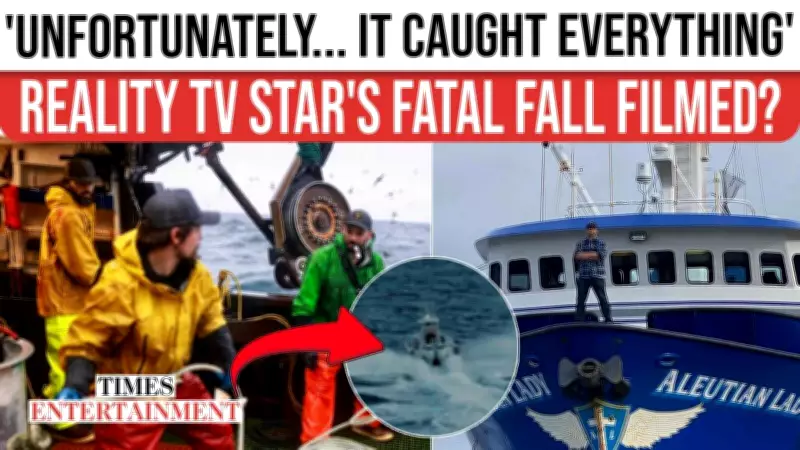
Deadliest Catch Tragedy Sparks Ethical Debate After Fisherman's Death
The popular Discovery Channel series Deadliest Catch is at the center of a heartbreaking and contentious ethical dilemma following the tragic death of a young crew member. Todd Morgan Meadows, a 25-year-old fisherman, lost his life after falling overboard during a dangerous fishing operation in the icy, treacherous waters of the Bering Sea. This devastating incident has not only left the fishing community and fans in mourning but has also ignited a fierce debate about media responsibility and the boundaries of reality television.
Mother's Heart-Wrenching Plea to Producers
In an emotional and desperate appeal, Todd Meadows' mother has publicly begged the producers of Deadliest Catch with the words, "Please don't show it." Her plea comes amid reports that the horrifying moment of her son's fatal fall may have been captured on camera during filming. The mother's anguish highlights the profound personal trauma faced by families when such tragedies become potential public spectacle, raising urgent questions about the ethics of airing graphic real-life deaths for entertainment purposes.
Incident Details and Filming Controversy
According to accounts from a fellow crewman, Todd Meadows was working at sea when he fell overboard, leading to his untimely death. The operation was reportedly being filmed as part of the series, which documents the perilous lives of crab fishermen in Alaska. This has left many fans shocked and disturbed, pondering whether the footage should ever be broadcast. The possibility that cameras recorded the tragedy adds a layer of complexity, as it blurs the line between documentary realism and exploitative content.

The controversy extends beyond mere viewership concerns, touching on broader issues of consent and dignity. While Deadliest Catch is known for its raw portrayal of life-and-death situations, this incident forces a reckoning with the moral implications of showcasing actual fatalities. Producers now face a critical decision: to respect the family's wishes and withhold the footage or to potentially include it, citing journalistic or narrative integrity.
Broader Implications for Reality TV
This tragedy underscores the inherent risks in reality television that focuses on high-danger professions. Key points of discussion include:
- Ethical Boundaries: How should producers handle footage of real-life deaths, balancing public interest with respect for victims and families?
- Safety Protocols: Are current safety measures adequate for crew members in such hazardous filming environments?
- Audience Impact: What is the psychological effect on viewers when they witness actual tragedies unfold on screen?
The death of Todd Meadows has prompted calls for stricter guidelines and more compassionate practices in the industry. It serves as a somber reminder of the human cost behind the thrilling narratives that captivate audiences worldwide.
As investigations into the incident continue, the fishing community and fans alike await the producers' response. Will they heed the mother's plea, or will the footage become part of the show's legacy? This case may set a precedent for how similar situations are handled in the future, making it a pivotal moment for reality television ethics.