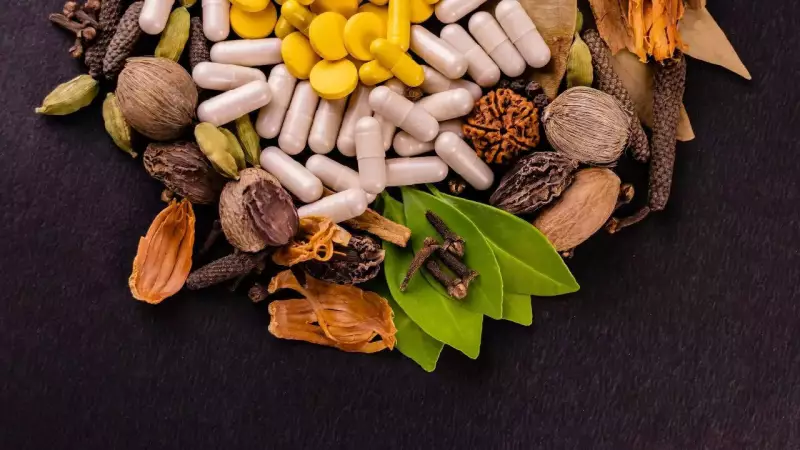
As more Indians seek holistic wellness, a growing trend involves blending the ancient wisdom of Ayurveda with modern allopathic treatments. This integrative approach aims to harness the strengths of both systems—Ayurveda's focus on natural herbs and lifestyle balance with allopathy's scientifically tested drugs. However, experts warn that this combination, while potentially beneficial, carries significant risks if not managed with extreme caution and professional guidance.
Fundamental Differences: Two Worlds of Healing
Ayurveda, a 5,000-year-old traditional Indian system, promotes health through the balance of body, mind, and spirit. Its toolkit includes natural herbs, dietary changes, yoga, and detoxification. In contrast, allopathy, or modern medicine, relies on rigorously tested pharmaceuticals and surgical procedures to target specific diseases and symptoms.
The core difference lies in standardisation. Allopathic drugs follow strict dosage guidelines and undergo extensive clinical trials. Ayurvedic products, however, can vary widely in their formulation and the concentration of active ingredients, making them less predictable.

Primary Risks: Dangerous Interactions and Quality Concerns
The most critical danger in mixing these treatments is drug-herb interactions. Certain herbs can amplify or weaken the effects of pharmaceutical drugs, leading to serious side effects or rendering treatments ineffective.
For instance, the popular herb Ashwagandha may dangerously increase the sedative effect of sleeping pills or antidepressants. Turmeric, celebrated for its anti-inflammatory properties, can interfere with blood thinners like warfarin, raising the risk of excessive bleeding. Furthermore, antibiotics can alter gut bacteria, potentially disrupting the activation of some herbal remedies.
Compounding this risk is the questionable safety and quality of some Ayurvedic products. Unlike pharmaceuticals, they are not uniformly regulated. A 2022 study in JAMA Network Open revealed a shocking fact: 21% of Ayurvedic products sold in the United States contained toxic heavy metals like lead or mercury. Even herbs like Giloy, promoted for immunity, can worsen autoimmune conditions if taken with immunosuppressive drugs.
Path to Safe Integration: Communication and Caution
Successful integration is possible but demands a structured and transparent approach. It is most effective when used to complement allopathy—for example, using Ayurvedic practices like yoga for stress management in a hypertension patient, or ginger to alleviate chemotherapy-induced nausea.
The cornerstone of safety is open communication. Patients must inform both their allopathic doctor and Ayurvedic practitioner about every supplement and medicine they are taking. Purchasing herbs only from certified and reputable sources is non-negotiable. Regular health check-ups and lab tests are essential to monitor for adverse effects.
The global lack of uniform regulation for Ayurvedic products, often classified as dietary supplements, underscores the need for consumer vigilance. This is especially crucial for patients undergoing critical treatments for conditions like cancer or HIV.
In conclusion, the fusion of Ayurveda and allopathy represents a personalised path to health that resonates with many. However, navigating this path requires knowledge, high-quality products, and, above all, coordinated supervision from qualified healthcare providers to ensure the synergy does not become a threat.