

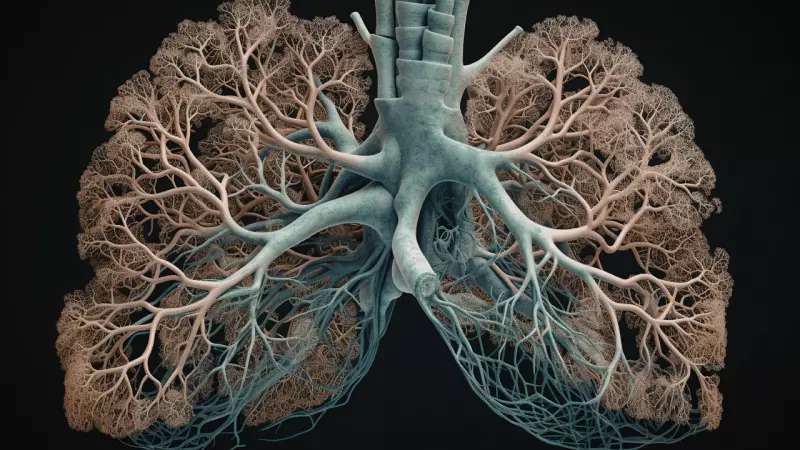
Holistic Healing: How Yoga and Ayurveda Transformed a Chronic Bronchitis Patient's Life
Chronic bronchitis represents a persistent respiratory condition that profoundly diminishes quality of life, particularly among elderly individuals. Patients commonly grapple with recurrent coughing spells, persistent breathlessness, heightened sensitivity to environmental irritants like dust or strong odors, and an often burdensome reliance on pharmaceutical medications. These challenges create a cycle of physical discomfort and mental distress that can seem inescapable.
A Groundbreaking Case from Gorakhpur
This narrative centers on a 76-year-old male resident of Gorakhpur, Uttar Pradesh, whose struggle with chronic bronchitis began back in 1996–1997. For decades, his life was punctuated by debilitating symptoms triggered by exposure to dust or potent smells. These encounters would invariably lead to severe sneezing, colds, fevers, and eventually, a persistent, racking cough. These distressing episodes occurred with alarming regularity—twice every year—necessitating continuous allopathic medication and frequent injections that offered only temporary respite while contributing to his overall physical and mental anguish.
Patanjali's Integrated Treatment Protocol
In September 2024, seeking a more sustainable solution, the patient was admitted for specialized treatment at Patanjali under the supervision of experienced physicians. The treatment plan was meticulously designed around an integrated, holistic framework that synergized ancient wisdom with disciplined practice.

Ayurvedic Therapeutic Interventions: The regimen incorporated therapeutic steam treatments utilizing potent herbs like basil, onion, garlic, and ginger, complemented by warm water baths. These procedures were strategically employed to clear congested respiratory passages, reduce underlying inflammation, and bolster the body's innate immune response.
Pranayama Practices for Respiratory Mastery: A dedicated pranayama routine was established, featuring techniques such as Anulom Vilom, Kapalbhati, Bhramari, Bahya Pranayama, Udgith, and Ujjayi. These disciplined breathing exercises were crucial for enhancing lung capacity, regulating breath patterns, and calming the overactive nervous system, which often exacerbates respiratory issues.
Comprehensive Yogasana Regimen: The patient adhered to a structured sequence of asanas including Bhujangasana, Shavasana, specialized neck exercises, Pawanmuktasana, Shalabhasana, Surya Namaskar, Tadasana, Vakrasana, Ardha Matsyendrasana, Gomukhasana, Matsyasana, Sarvangasana, Mandukasana, Yog Mudra, Halasana, Chakki Chalan, and Dhanurasana. These postures worked collectively to support respiratory health, improve systemic circulation, strengthen core musculature, and promote overall bodily flexibility.
Supportive Dietary Guidance: To complement the therapeutic practices, a simple, balanced, and easily digestible diet was prescribed. This nutritional plan aimed to support the body's healing processes and maintain overall physiological harmony.
Remarkable Clinical Outcomes and Improved Well-being
Following the dedicated treatment protocol and his continued commitment to yoga and pranayama practices, the patient experienced transformative improvement. Since completing the program, he has reported a complete absence of the severe cold, fever, and intense coughing episodes that once plagued his life. While some mild initial discomfort persisted, it has shown consistent, gradual improvement over time.
Most significantly, his dependency on conventional medication was substantially reduced. The patient now enjoys markedly better breathing, increased physical comfort, and a dramatically enhanced quality of life. This case powerfully illustrates that a disciplined lifestyle incorporating Yoga, Pranayama, Ayurvedic therapies, and appropriate dietary regulation can play a vital, sustainable role in managing chronic respiratory conditions like bronchitis.

The Broader Implications of a Holistic Health Model
Patanjali's holistic model demonstrates a profound shift from merely addressing symptoms to tackling root causes, offering sustainable, long-term benefits for chronic health conditions. This approach underscores the potential of integrative medicine in providing relief where conventional treatments often fall short, emphasizing prevention, systemic balance, and the body's innate capacity for healing when supported by natural, time-tested modalities.





