

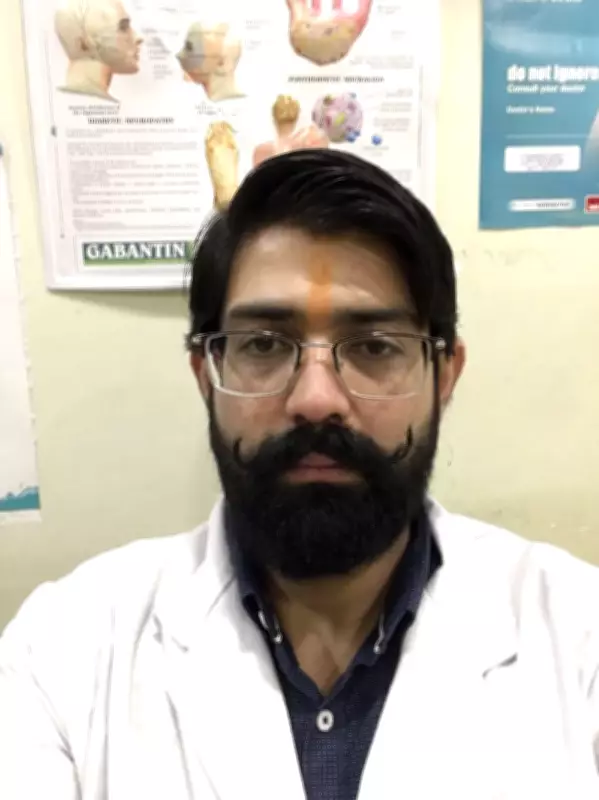
Dr. Rajan Shastri Advocates for Ayurveda's Global Expansion and Modern Synergy
In a compelling and insightful interview, Dr. Rajan Shastri, a distinguished expert in Ayurvedic medicine, has shared his profound perspectives on the escalating global significance of Ayurveda and its seamless integration with contemporary healthcare systems. Based in Jalandhar, Dr. Shastri emphasized that Ayurveda, as an ancient Indian holistic healing practice, is experiencing a remarkable resurgence on the international stage, driven by increasing demand for natural and preventive healthcare solutions.
The Rising Global Influence of Ayurvedic Practices
Dr. Shastri highlighted that Ayurveda is no longer confined to India but is gaining substantial traction across continents, including Europe, North America, and Asia Pacific regions. He pointed out that this growth is fueled by a global shift towards wellness-oriented lifestyles and a growing disillusionment with synthetic pharmaceuticals. According to him, countries are increasingly recognizing Ayurveda's potential in addressing chronic diseases, mental health issues, and lifestyle disorders through its personalized and natural approaches.
Key factors propelling this trend include:

- Scientific validation: Ongoing research and clinical studies are providing empirical evidence for Ayurvedic treatments, enhancing their credibility in the global medical community.
- Government initiatives: Policies in India and abroad are promoting Ayurveda, such as the AYUSH Ministry's efforts to standardize practices and foster international collaborations.
- Consumer awareness: A surge in health-conscious populations seeking alternative therapies is driving demand for Ayurvedic products and services worldwide.
Challenges in Integrating Ayurveda with Modern Medicine
Despite its growing popularity, Dr. Shastri acknowledged several hurdles in integrating Ayurveda with modern healthcare. He noted that a lack of standardized protocols and regulatory frameworks in many countries poses significant barriers, leading to inconsistencies in practice and quality control. Additionally, there is often skepticism from conventional medical practitioners who question the efficacy and safety of Ayurvedic treatments without robust scientific backing.
To overcome these challenges, Dr. Shastri proposed:
- Enhancing interdisciplinary research to bridge the gap between traditional and modern medicine, fostering a collaborative approach to patient care.
- Implementing stricter quality assurance measures for Ayurvedic products to ensure safety and efficacy, aligning with global health standards.
- Promoting education and training programs for healthcare professionals to increase awareness and acceptance of Ayurvedic principles in clinical settings.
Opportunities for Ayurveda in the Evolving Healthcare Landscape
Dr. Shastri expressed optimism about the future, citing numerous opportunities for Ayurveda to play a pivotal role in global health. He emphasized that the COVID-19 pandemic has accelerated interest in immune-boosting and preventive healthcare, areas where Ayurveda excels. Furthermore, the integration of digital technologies, such as telemedicine and health apps, is making Ayurvedic consultations and treatments more accessible to a global audience.
In conclusion, Dr. Rajan Shastri's interview underscores Ayurveda's transformative potential in reshaping healthcare paradigms. By addressing integration challenges and leveraging emerging opportunities, Ayurveda can contribute significantly to a more holistic and sustainable global health system, benefiting millions worldwide.






