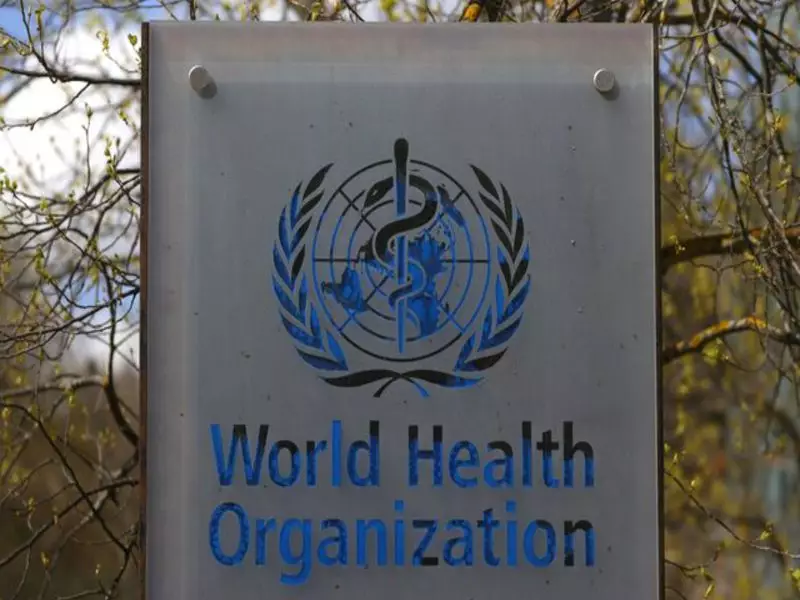
The World Health Organization (WHO) has taken a significant step towards modernizing ancient healing practices by convening its second global summit dedicated to traditional medicine. Held in Gandhinagar, Gujarat, this pivotal gathering brought together a diverse coalition of health experts, policymakers, and practitioners. Their unified mission is to forge a future where time-honored medical systems like Ayurveda are rigorously evaluated and seamlessly integrated into contemporary healthcare frameworks worldwide.
Bridging Ancient Wisdom with Modern Science
The core objective of the summit, hosted at WHO's Global Centre for Traditional Medicine (GCTM), was to advance the critical integration of evidence and innovation. Dr. Tedros Adhanom Ghebreyesus, WHO Director-General, emphasized that traditional medicine represents a vast, often untapped resource for global health. However, he stressed that its potential can only be fully realized through the lens of modern scientific validation. The event served as a platform to accelerate research, establish robust standards, and create data-driven guidelines that can empower nations to safely and effectively incorporate these practices.
Key discussions revolved around the need for stronger data, innovative research methodologies, and sustainable resource mobilization. Participants examined how digital tools and artificial intelligence could unlock new insights from ancient texts and practices. The summit underscored that building a compelling evidence base is not about replacing traditional knowledge but about strengthening it, ensuring safety, efficacy, and quality for populations that rely on these systems.

A Global Movement with Deep Indian Roots
The choice of India as the host nation is profoundly symbolic. As the home of Ayurveda, one of the world's oldest and most documented traditional medicine systems, India is positioned as a natural leader in this global movement. The summit saw high-level participation from Indian officials, including the Minister of State for Youth Affairs and Sports, who highlighted the government's commitment under the "Global Initiative on Digital Health" and "AYUSH" portfolio. This aligns with India's vision to position traditional medicine as a key contributor to universal health coverage and the Sustainable Development Goals (SDGs).
The presence of the WHO GCTM in Gujarat acts as a central hub for this global effort. It is tasked with catalyzing collaborative research, setting norms and standards, and helping countries develop policies that regulate traditional products and practitioners. This institutional backing provides the necessary credibility and coordination to move beyond anecdotal evidence towards a systematic, global knowledge base.
The Road Ahead: From Summit to Systems
The outcomes of this second summit are expected to have far-reaching consequences. A major focus is on developing a "WHO Traditional Medicine Global Strategy 2025-2034", which will provide a roadmap for member states. The strategy will likely address critical areas such as regulation, education for practitioners, patient safety, and intellectual property rights related to traditional knowledge.
Furthermore, the push for evidence integration promises to unlock new avenues for drug discovery, with many modern pharmaceuticals having origins in plant-based remedies. For billions of people, particularly in regions with limited access to allopathic care, validated traditional medicine offers a crucial first line of defense. The summit's ultimate goal is to ensure that this care is both culturally familiar and scientifically sound, creating a more inclusive and holistic global health ecosystem where ancient and modern systems work in synergy for the well-being of all.