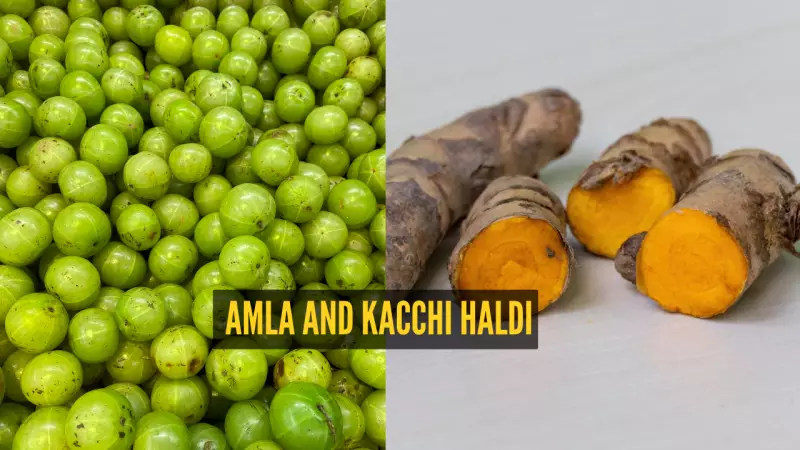
As winter settles across the subcontinent, two humble ingredients return to the forefront of Indian kitchens and wellness routines: amla, or Indian gooseberry, and kacchi haldi, or raw turmeric. These are not mere seasonal flavors but nutritional powerhouses, consumed in myriad forms from murabbas and achars to chutneys and fresh concoctions. A time-honored practice, especially in South Asian households, involves beginning the day with a teaspoon of grated raw amla mixed with a pinch of freshly grated kacchi haldi, or a shot of their blended juice. Modern scientific research now provides compelling evidence for why this simple, empty-stomach ritual is so profoundly beneficial.
The Synergistic Power of an Ancient Duo
This combination is more than just folklore. When taken together on an empty stomach, amla and raw turmeric create a complementary effect that modern science is beginning to quantify. The absence of food allows for faster absorption of key compounds, letting them act systemically with minimal interference. Below are five key health benefits supported by clinical and review studies.
1. A Potent Boost for Your Immune System
Amla is revered in Ayurveda as a virtual panacea, and for good reason. It stands as one of the richest natural sources of vitamin C and polyphenols, both crucial for fortifying the body's defenses and reducing oxidative stress. Turmeric contributes its active compound, curcumin, which is known for its immune-modulating and strong anti-inflammatory properties. Taken together, they create a robust shield. Consuming them before eating may speed up the absorption of amla's water-soluble vitamin C and allow curcumin to circulate effectively.

2. Enhances Gut Health and Aids Digestion
The benefits extend deep into the digestive system. Indian Gooseberry is rich in dietary fiber and tannins that promote healthy gut motility and support beneficial microbes. Concurrently, numerous studies highlight curcumin's ability to modulate gut microbiota and reduce intestinal inflammation. This duo can soothe digestion, alleviate bloating, and help balance the gut ecosystem. Taking them first thing in the morning gives these compounds direct access to the stomach and small intestine, potentially offering relief for conditions like IBS, as suggested by some research.
3. A Powerful Antioxidant and Anti-Inflammatory Cocktail
Both ingredients are formidable antioxidants in their own right. Amla's polyphenols and vitamin C neutralize harmful free radicals, while curcumin works by blocking inflammatory pathways and boosting the body's own cellular antioxidant defenses. Clinical and preclinical literature supports the role of both herbs in reducing markers of oxidative stress and inflammation. Consumed together, they provide a broader, more comprehensive spectrum of antioxidant activity than either could alone.
4. Helps Regulate Blood Sugar and Lipid Profile
Emerging research points to metabolic benefits. Some studies and meta-analyses indicate that amla can improve lipid profiles and modestly lower blood glucose markers. Curcumin also shows promise in enhancing insulin sensitivity and tackling metabolic inflammation. Notably, recent clinical trials testing combined amla and curcumin supplementation have reported improvements in lipid and glycemic measures in individuals with metabolic syndrome or type 2 diabetes. Taking the mix on an empty stomach may help the active compounds prepare the body before carbohydrate intake influences blood sugar levels.
5. Supports Skin, Liver, and Gentle Detoxification
The high antioxidant content in amla is believed to protect collagen, promoting skin health from within. Curcumin, evidenced in both animal and human studies, demonstrates hepatoprotective (liver-protecting) and anti-inflammatory effects. In tandem, they may support the liver's natural detoxification pathways, enhance antioxidant enzymes, and reduce inflammatory signaling. Over time, this can contribute to clearer skin and more efficient processing of metabolic waste.

How to Prepare and Important Cautions
A simple recipe involves grating 1–2 teaspoons of raw amla and mixing it with ¼–½ teaspoon of freshly grated kachhi haldi. This can be consumed with warm water or as a small spoonful. Many practitioners add a pinch of black pepper (piperine), a well-documented enhancer of curcumin absorption.
While both amla and turmeric are generally safe as dietary ingredients, caution is advised. Curcumin supplements can interact with blood thinners like aspirin, diabetes medications, and other drugs. High amounts of raw turmeric may cause stomach discomfort in sensitive individuals. Pregnant or breastfeeding women and anyone on prescription medication should consult a doctor before making this a daily habit.
This winter, the wisdom of generations finds validation in science. The simple ritual of amla and kacchi haldi on an empty stomach is a powerful, accessible way to harness nature's pharmacy for holistic health.