

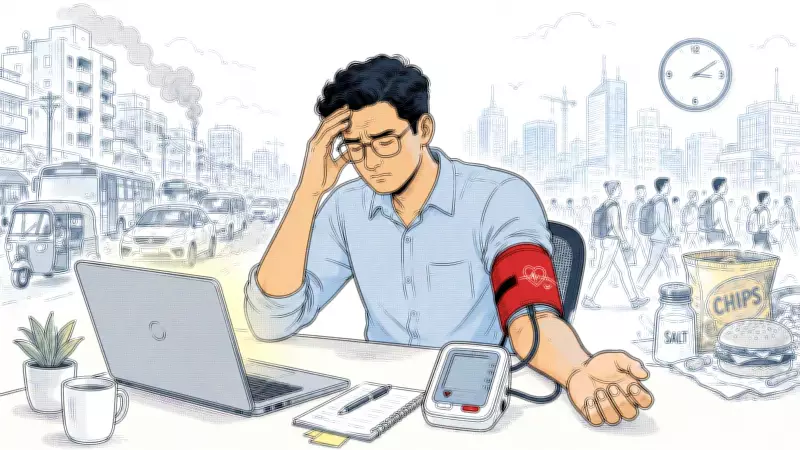
A recent global study has revealed a startling statistic: one in every three adults now suffers from hypertension, or high blood pressure. This condition, often called a silent killer, significantly increases the risk of heart disease, stroke, and kidney failure. While the numbers are alarming worldwide, the situation in India is particularly concerning due to a combination of genetic predisposition, dietary habits, and lifestyle factors.
India's Hypertension Crisis
India has one of the highest rates of hypertension in the world. According to the study, nearly 30% of Indian adults are affected, and the numbers are rising rapidly. Unlike in Western countries, where hypertension is more common among the elderly, in India, it is increasingly affecting younger populations. This trend is attributed to urbanization, stress, and the adoption of sedentary lifestyles.
Genetic and Dietary Factors
Indians are genetically more prone to developing hypertension at a younger age and with lower body mass index (BMI) compared to other ethnic groups. Additionally, the traditional Indian diet, which is often high in salt, carbohydrates, and unhealthy fats, exacerbates the risk. The widespread use of packaged and processed foods has further increased salt intake, a major contributor to high blood pressure.

Lack of Awareness and Control
One of the biggest challenges in India is the lack of awareness about hypertension. Many people do not get their blood pressure checked regularly, and among those diagnosed, only a fraction have it under control. The study highlights that poor medication adherence and limited access to healthcare in rural areas worsen the problem. Experts emphasize the need for regular screening and lifestyle modifications.
What Can Be Done?
To combat this growing epidemic, experts recommend a multi-pronged approach:
- Regular Monitoring: Adults should check their blood pressure at least once a year, more frequently if they have risk factors.
- Dietary Changes: Reducing salt intake, eating more fruits and vegetables, and avoiding processed foods can help lower blood pressure.
- Physical Activity: At least 30 minutes of moderate exercise, such as brisk walking, five days a week is recommended.
- Stress Management: Practices like yoga and meditation can significantly reduce stress, a key contributor to hypertension.
- Medication Adherence: For those prescribed medication, taking it regularly as directed is crucial.
Government and Community Initiatives
The Indian government has launched several initiatives to address hypertension, including the National Programme for Prevention and Control of Cancer, Diabetes, Cardiovascular Diseases and Stroke (NPCDCS). However, more needs to be done at the community level to raise awareness and improve access to affordable healthcare. Screening camps, health education programs, and subsidized medications can make a significant difference.
In conclusion, the rising prevalence of hypertension in India is a public health emergency that requires immediate action. With 1 in 3 adults affected, and the numbers expected to rise, it is imperative for individuals, communities, and policymakers to work together to curb this silent killer. By adopting healthier lifestyles and ensuring regular check-ups, Indians can reduce their risk and lead longer, healthier lives.






