When we imagine dangerous animals, lions, tigers, or sharks often dominate our thoughts. However, some of the most lethal creatures on Earth are far smaller, possessing six legs and the capacity to cause immense human suffering. These insects, through venom, disease, or destruction, have shaped history and continue to pose significant global health risks.
Silent Killers: Disease-Carrying Insects
Many of the deadliest insects do not attack directly but act as vectors, transmitting deadly pathogens from one host to another. The most notorious of these is the mosquito. Far beyond a mere nuisance, species like Anopheles are responsible for spreading malaria, dengue fever, Zika virus, and other illnesses. According to the World Health Organisation, mosquito-borne diseases cause over 700,000 deaths annually, making them one of the single greatest threats to human health worldwide.
In sub-Saharan Africa, the tsetse fly carries parasites that cause African sleeping sickness. Without treatment, this disease attacks the nervous system and can be fatal. While control programs have reduced deaths, outbreaks persist. Similarly, the triatomine, or "kissing bug," poses a grave danger in Latin America. It spreads Trypanosoma cruzi, the parasite behind Chagas disease, which can lead to severe cardiac complications and sudden death years after the initial infection.

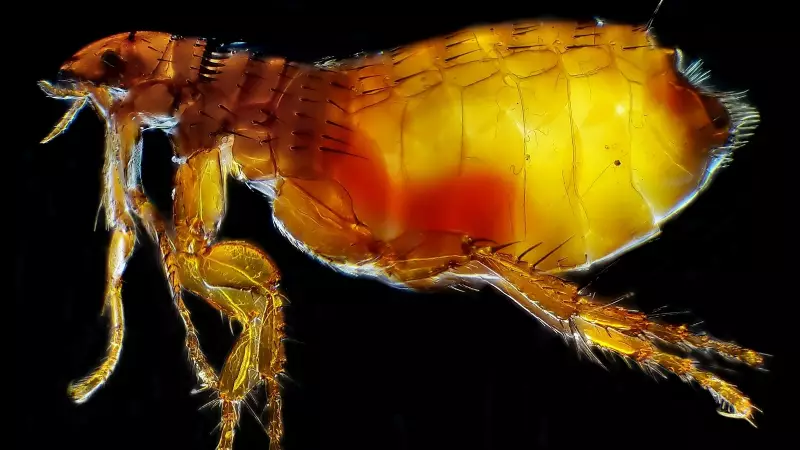
Historically, fleas have played a devastating role by carrying the Yersinia pestis bacterium, which caused the Black Death plague that wiped out millions in medieval Europe. Even today, fleas can transmit plague and typhus, though modern antibiotics have made large outbreaks less common.
Direct Assault: Venomous Stingers and Biters
Another category of dangerous insects delivers potent venom directly. For most people, a sting from a bee, wasp, or hornet is painful but not life-threatening. However, for individuals with severe allergies, a single sting can trigger anaphylaxis and death. The threat escalates with species like the highly aggressive Africanised honey bee ("killer bee"), known for relentless swarm attacks. The Asian giant hornet (“murder hornet”) possesses venom so potent it can cause multiple organ failure, with dozens of fatalities reported each year.
Originating in South America but now invasive in many parts of the world, red imported fire ants attack in coordinated swarms. Their stings are intensely painful and, in sensitive individuals, can cause fatal allergic reactions. Australia's jack jumper ant is similarly feared for its aggressive nature and venom, which is a known cause of deadly anaphylactic shocks in its native region.
Perhaps surprisingly, a caterpillar ranks among the most venomous. Found in South America, Lonomia obliqua, the “assassin caterpillar,” has bristles that secrete a powerful anticoagulant venom. Contact can lead to internal haemorrhaging and kidney failure, and has resulted in human deaths.
Indirect Threats: Agricultural Devastators
Some insects claim lives not through poison or pathogen, but by triggering famine. Locusts are a prime example. While they do not bite or sting humans, their apocalyptic swarms can devour entire fields of crops in minutes. This leads to catastrophic food shortages and famines that have claimed countless lives throughout history and continue to threaten food security in Africa, the Middle East, and Asia.
These nine insects prove that size is not an indicator of danger. From the silent, disease-carrying mosquito to the swarming, venomous hornet, they have earned their deadly reputations through millions of years of evolution. Their impact on human health, history, and agriculture underscores the importance of ongoing medical research, public health initiatives, and pest control measures to mitigate the risks posed by nature's smallest but most formidable killers.