

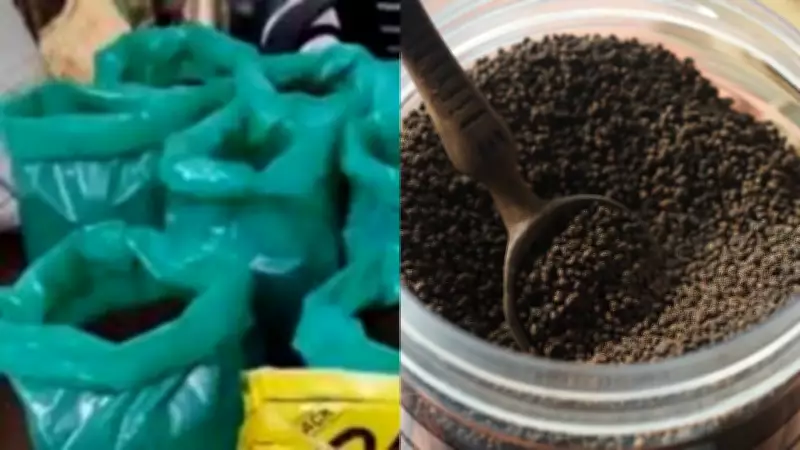
In India, tea or chai is not just a beverage; it is a ritual woven into the fabric of daily life. The soft clatter of cups, the rising swirl of steam, and the fragrance of leaves meeting water bring a unique sense of calm before the day's chaos begins. It is in that moment—standing by the stove, watching the brew deepen—that conversations start, worries ease, and relationships are gently nurtured. However, what if the first sip of the day brings not comfort but a dose of toxic chemicals? Yes, you read that correctly. A recent report from Hyderabad reveals that the Food Adulteration Surveillance Team (H-FAST) conducted raids across the city, seizing 3,000 kg of adulterated tea powder and 1,500 kg of expired tea powder, among other items, raising fresh concerns about the adulteration of everyday food products.
Details of the Raids and Adulteration Methods
The raids were carried out at 15 manufacturing units allegedly involved in producing and supplying fake tea powder to roadside tea vendors and prominent restaurants. According to police officials, ten arrests have been made so far. Authorities also seized artificial colors used for adulteration and about 100 kg of jaggery. During interrogation, manufacturers admitted to procuring low-quality tea powder from vendors in Kolkata, Kerala, and Assam. They then adulterated it using synthetic food colors such as sunset yellow FCF, tartrazine, and total dye color. The adulterated powder was repackaged under different brand names and sold as genuine tea powder. A case has been registered under the Food Safety and Standards Act and relevant provisions of the Bharatiya Nyaya Sanhita.
Previous Incidents of Adulterated Tea Seizures
This is not the first time such an issue has been highlighted. In October 2024, Telangana's Commissioner of Food Safety, along with the Central Zone Task Force of Hyderabad City Police, seized 300 kilograms of adulterated loose tea powder in Fateh Nagar, Hyderabad. During that investigation, it was found that low-quality tea powder was mixed with coconut shell powder and toxic chemical essences. The proprietor, Bishoya Jagannath, operated a business under the name 'Konark Tea Powder Sales & Suppliers' in Fateh Nagar. He had purchased low-quality tea powder from market suppliers at prices ranging from ₹80 to ₹100 per kilogram. To maximize profits, he mixed the tea powder with coconut shell powder, toxic chemical essences, and artificial flavoring. The adulterated tea powder was then sold in the market for ₹200 to ₹250 per kilogram.

FSSAI's Simple Home Tests for Tea Purity
The Food Safety and Standards Authority of India (FSSAI) has shared a few simple purity tests that can be easily performed at home:

- Water Test: Add a teaspoon of tea leaves to a glass of room-temperature water. If the tea is pure, the water's color will not change. If the tea leaves are adulterated, the water will turn red.
- Filter Paper Test: Take a filter paper and spread tea leaves on it. Sprinkle water to wet the paper. Wash the filter paper under tap water. Observe the stains against light. No stains indicate unadulterated tea leaves, while blackish-brown stains indicate adulteration.
- Color Test: Brew tea and observe its color. Authentic tea produces a clear, vibrant color, while adulterated tea appears cloudy or unnatural due to impurities.
- Solubility Test: Add tea leaves to a glass of water. Pure tea leaves will not dissolve completely; they may swell but should not disintegrate into powder. Adulterated tea might turn into powder in water.
Health Risks of Drinking Adulterated Tea
Tea leaves undergo 34 quality parameters, yet some market players still indulge in adulteration. The use of synthetic colors can cause serious health issues. Adulterated tea leaves are said to increase the risk of hypertension, liver and kidney problems. They may contain harmful levels of pesticides, herbicides, or other chemicals. Chronic exposure to these substances can lead to cancer, hormonal imbalances, or neurological disorders. Contamination with heavy metals like lead, arsenic, or cadmium can cause kidney damage, liver disease, and neurological issues. Additionally, adulterated tea may contain unlisted substances that trigger allergic reactions, ranging from mild symptoms like rashes or itching to severe anaphylaxis.





