Andhra Pradesh Government Launches 'Project Punarvika' for Children with Rare Genetic Diseases
The Andhra Pradesh government has officially launched a groundbreaking initiative called 'Project Punarvika', specifically designed to tackle the numerous challenges faced by children suffering from rare genetic diseases. This significant announcement was made by Minister Nara Lokesh, coming in the wake of a widely publicized case that captured national attention and highlighted the urgent need for systemic intervention.
The Punarvika Case That Sparked National Action
The initiative draws its name and inspiration from the case of Punarvika, an 11-month-old infant diagnosed with a life-threatening rare disorder. The child required a critical injection with an astronomical cost of ₹16 crore. This situation triggered an unprecedented, large-scale fundraising effort across India, with compassionate citizens from all corners of the country contributing nearly ₹10 crore through voluntary donations. The remaining ₹6 crore was successfully arranged with the direct involvement and coordination efforts of Minister Nara Lokesh.
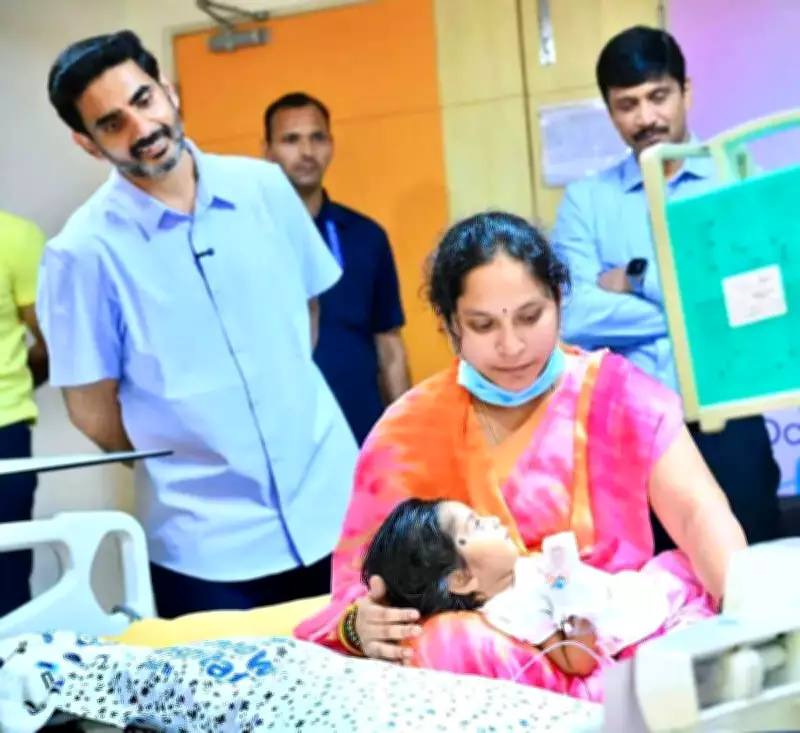
On Saturday, Minister Lokesh visited the corporate hospital in Hyderabad where the crucial treatment was administered. During his visit, he personally interacted with the child's family, witnessing firsthand the emotional and financial toll such medical crises impose. This high-profile case powerfully underscored the exorbitant costs and severely limited accessibility of treatments for rare diseases in India, prompting immediate governmental action.

Comprehensive Framework of Project Punarvika
Formally announced on Sunday, Project Punarvika is structured as a comprehensive programme with a multi-pronged approach. Its core objectives are focused on early diagnosis, improved access to treatment, and provision of long-term care for children affected by rare diseases. Government officials have outlined that the initiative will incorporate several key components:
- Financial Assistance: Direct support mechanisms to alleviate the burden of costly treatments.
- Enhanced Medical Access: Streamlining pathways to specialized healthcare facilities and experts.
- Institutional Support: Establishing robust frameworks for sustained patient and family aid.
The state government is also proactively planning to collaborate with international pharmaceutical companies to address the prohibitively high costs of life-saving drugs. Concurrent efforts are underway to engage with the central government to strengthen national policy frameworks related to rare diseases, aiming to improve access and support at a federal level.
Strategic Planning and Future Roadmap
As an integral part of this initiative, the government will conduct extensive consultations with medical experts, researchers, and specialists to explore sustainable, long-term solutions. One promising avenue under consideration is the possibility of domestic manufacturing of high-cost drugs to reduce dependency on expensive imports. Authorities have also indicated that comprehensive awareness programmes will be launched to educate the public about early detection methods, available treatments, and existing support systems.
The project further proposes the creation of a structured support system for families of affected children. This system would encompass not only medical assistance but also logistical support and crucial counselling services to help families navigate the complex journey. Additional steps are being planned to streamline and simplify treatment access across a network of hospitals and healthcare institutions throughout the state.
Officials have emphasized that the overarching aim of Project Punarvika is to identify and address critical gaps in the current healthcare system concerning rare diseases. The ultimate goal is to ensure wider, more equitable access to life-saving treatments for all affected patients, transforming a reactive response to individual crises into a proactive, systemic solution.