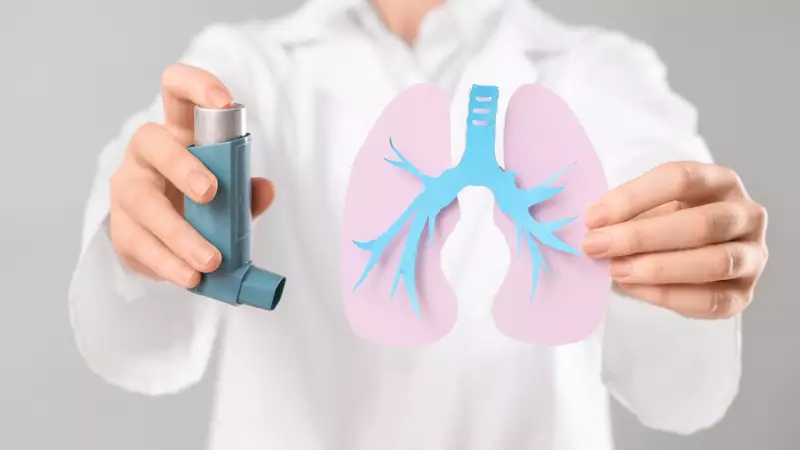
That nagging cough and persistent wheeze can be alarming, leaving many Indians wondering: is it asthma or bronchitis? While both conditions affect the lungs and share common symptoms, they stem from different causes and require distinct management strategies. Understanding the key differences is the first step towards breathing easier and seeking the right medical care promptly.
Shared Symptoms: The Common Ground of Respiratory Distress
Asthma and bronchitis both irritate the bronchial tubes, leading to a frustrating overlap in how they feel. Patients often experience a high-pitched wheezing sound during breathing, a sensation of chest tightness or pressure, and pronounced shortness of breath that makes daily activities exhausting. A disruptive cough is a hallmark of both, frequently worsening at night and interrupting sleep.
This similarity often causes confusion, especially during the winter and monsoon seasons when viral infections are rampant. An episode of acute bronchitis can closely mimic an asthma flare-up. However, doctors emphasize that tracking the pattern and context of symptoms provides vital clues for an accurate diagnosis.

Identifying Asthma: A Chronic Condition with Specific Triggers
Asthma is a chronic inflammatory condition where the airways become hyper-responsive. Its symptoms are typically paroxysmal—they come in sudden episodes rather than being constant. A key indicator is a dry, non-productive cough that intensifies at night or in the early morning hours. The hallmark wheezing is often accompanied by sudden breathlessness.
Crucially, these attacks are usually triggered by specific factors like allergens (pollen, dust mites, pet dander), cold air, exercise, or smoke. Symptoms can last from minutes to days and are often relieved by rest or quick-relief inhalers. Both children and adults can be affected, with a family history increasing the risk. Without proper management, it leads to frequent emergency visits and a compromised quality of life.
Recognising Bronchitis: Often Rooted in Infection
Bronchitis, in contrast, is primarily an inflammation of the bronchial tubes caused by an infection or irritant. The most telling sign is a productive or "wet" cough that brings up mucus, which can be clear, yellow, or green. This is frequently accompanied by symptoms of a viral illness, such as a low-grade fever, chills, body aches, fatigue, and a preceding sore throat or runny nose.
Acute bronchitis, usually viral, lasts from one to three weeks and often follows a common cold. Chronic bronchitis, a type of COPD, lingers for months and is strongly linked to smoking, featuring a daily, mucus-producing cough. Unlike asthma, its onset is less about specific triggers and more directly tied to an infection or constant exposure to irritants like pollution.
Diagnosis and Treatment: Paths to Clear Breathing
Accurate diagnosis begins with a detailed medical history. Doctors will ask if symptoms follow infections or are triggered by allergens/exercise. Spirometry, a lung function test, is crucial for asthma, showing reversible airway obstruction. Chest X-rays may be used to rule out pneumonia or other issues. For home monitoring, peak flow meters can reveal dips during asthma attacks.
Treatment paths diverge significantly. Asthma management focuses on long-term control with inhaled corticosteroids and quick-relief bronchodilator inhalers, alongside trigger avoidance. Bronchitis treatment for acute cases centres on rest, fluids, humidifiers, and sometimes cough suppressants; antibiotics are only used if a bacterial infection is confirmed.
Seek immediate medical attention if you experience difficulty breathing, bluish lips or face, a fever above 100.4°F (38°C), or if symptoms worsen rapidly. Prevention for both includes quitting smoking, getting annual flu shots, maintaining good hand hygiene, and avoiding air pollution. Asthmatics should follow a personalised action plan with trigger logs and peak flow monitoring.

With timely and correct intervention, most people recover fully from acute episodes. Chronic conditions like asthma and chronic bronchitis require ongoing specialist care for effective long-term management, ensuring a better quality of life.