

Bengaluru's UV Index Reaches Extreme Level, Doctors Issue Urgent Health Warnings
Bengaluru is facing a severe ultraviolet (UV) radiation crisis, with the UV index climbing to an extreme level of 13 this year. Medical professionals across the city are raising alarms, urging residents to adopt stringent precautions against prolonged sun exposure. They emphasize that such intense UV radiation poses significant risks, leading to both immediate and long-term health complications that could have lasting impacts.
Understanding the Dangerous Spike in UV Levels
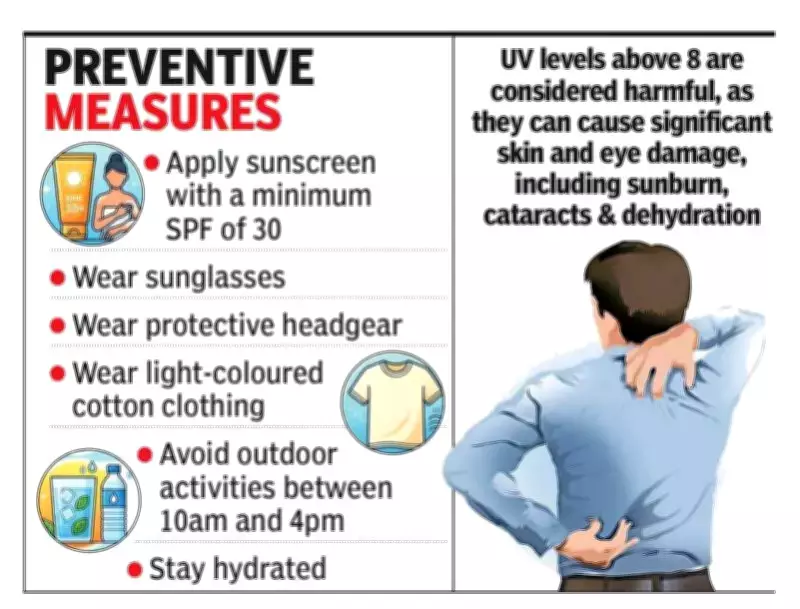
UV levels above 8 are classified as harmful, capable of causing substantial damage to skin and eyes, including sunburn, cataracts, and dehydration. Dr. Balakrishna G K, HOD and senior consultant in internal medicine at Gleneagles BGS Hospital in Kengeri, provides insight into this unusual spike. "Bengaluru's elevated geographical position brings us closer to the sun, increasing our exposure," he explains. "Typically, during peak summer, the UV index hovers around 12, but this year it has already surged to 13. Any reading beyond 12 is considered very serious, with potential consequences like vision loss, serious metabolic issues, or heat syncope if precautions are neglected."
Immediate Skin Concerns and Dermatological Impacts
Dermatologists in Bengaluru report a noticeable influx of patients suffering from heat-related skin ailments. Dr. Safia Tanyeem, a consultant dermatologist at Apollo Medical Centre, highlights the acute effects of UV exposure on the skin. "Short-term exposure can trigger conditions such as sunburn, itching, redness, oozing lesions, and allergic reactions," she states. "It also leads to tanning and exacerbates issues like photomelanosis (hyperpigmentation) and photodermatitis."

Looking at the long-term implications, Dr. Tanyeem warns that UV radiation accelerates the aging process, increasing wrinkles and fine lines, while aggravating conditions like melasma and freckles. "Although less common, there is a heightened risk of skin cancer due to increased UV exposure," she adds, noting that clinics began seeing affected patients as early as the second half of February.
Eye Health at Risk from UV Radiation
Eye specialists are equally concerned, detailing how UV radiation can impair vision in both the short and long term. Dr. Preethi V, medical superintendent at Nethradhama Super Speciality Eye Hospital in Yelahanka, explains that brief exposure to intense UV rays can cause photokeratitis and photoconjunctivitis. "These conditions can develop quickly, resulting in symptoms like redness, light sensitivity, grittiness, and a sensation of a foreign body in the eye," she says.
For prolonged exposure, the risks escalate to more severe eye problems, including:
- Pterygium (tissue growth over the cornea)
- Pinguecula (conjunctival bumps)
- Corneal degeneration
- Accelerated cataract formation
Dr. Preethi further cautions, "Chronic exposure can damage the retina, heightening the risk of age-related macular degeneration. Direct sun-gazing may burn the retina, causing solar retinopathy, and long-term exposure could even lead to eyelid cancers such as basal or squamous cell carcinoma."
Essential Preventive Measures to Mitigate Risks
To combat these dangers, doctors recommend a comprehensive set of preventive actions:
- Apply sunscreen with a minimum SPF of 30 regularly.
- Wear sunglasses that offer UV protection.
- Use protective headgear like hats or caps.
- Opt for light-coloured cotton clothing to reflect heat.
- Avoid outdoor activities between 10 am and 4 pm when UV rays are strongest.
- Stay hydrated by drinking plenty of water throughout the day.
By adhering to these guidelines, residents can significantly reduce their risk of UV-related health issues and safeguard their well-being during this period of extreme solar intensity.






