

Bhopal Hospitals Report Sharp Rise in Gastrointestinal Disorders Amid Pre-Monsoon Heat
Hospitals across Bhopal are reporting a sharp and concerning increase in gastrointestinal disorders, with outpatient departments (OPDs) witnessing a surge in cases directly linked to eating out, dehydration, and the oppressive pre-monsoon heat and humidity. Medical professionals attribute this alarming trend primarily to contaminated food and water, compounded by unsafe eating habits during these sweltering conditions. This surge is significantly elevating the overall patient load at major healthcare facilities throughout the city.
District Hospital Data Mirrors the Alarming Trend
The District Hospital in Bhopal is mirroring this widespread trend, with overall OPD footfall rising substantially due to a variety of heat-related health woes. Infections stemming from tainted food and water are complicating the situation further, striking with greater intensity as temperatures continue to climb. District Civil Surgeon Dr. Sanjay Jain confirmed that gastrointestinal patients currently dominate the daily OPD visits, a phenomenon fueled by increased dining out in the current hot and humid weather.
Doctors Issue Stern Warnings and Highlight Risks
"Warm, moist conditions are fueling gastrointestinal spikes across all age groups," cautioned local physician Dr. Rajiv Singh. While such issues might be routine for some individuals, the current crisis is alarming experts, particularly for patients with pre-existing comorbidities where primary care often falls short, necessitating referrals to tertiary medical centers.

Dr. Sanjay Kumar, director and gastroenterologist at Gastrocare, highlighted the severe perils associated with this outbreak. The situation becomes critically dire for vulnerable populations. Patients suffering from diarrhoea risk severe dehydration, which can progress to irreversible renal failure in severe cases. "The elderly, especially those with diabetes or other predispositions, often require inpatient department (IPD) admission for kidney complications when initial primary care interventions fail," explained Dr. Kumar.
Authorities and Experts Recommend Preventive Measures
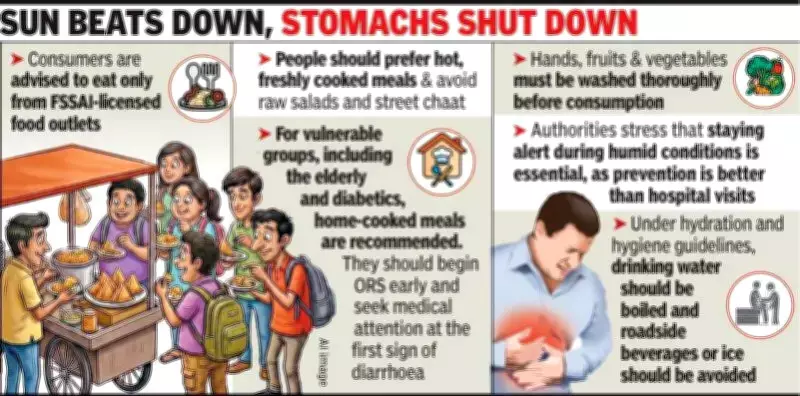
In response to this public health challenge, authorities are strongly recommending that citizens scrutinize Food Safety and Standards Authority of India (FSSAI) hygiene display boards before dining at establishments. Key preventive advice includes:
- Avoiding consumption of raw salads and street food during peak humidity periods.
- Ensuring drinking water is properly boiled or purified.
- Lodging formal complaints via the official food safety mobile application for any violations.
Concurrently, public awareness campaigns are being emphasized to educate the community on essential practices such as thorough handwashing and proper food storage techniques to help stem the rising tide of gastrointestinal illnesses.






