Many individuals across India are turning to online searches, typing phrases like 'blood clot in leg symptoms', when they experience unexplained pain or swelling. This search for clarity underscores a critical health concern: deep vein thrombosis (DVT), a condition where a blood clot forms in a deep vein, typically in the calf or thigh. Recognising the early signs can be the difference between timely treatment and severe, life-threatening complications.
What Exactly is a Deep Vein Thrombosis (DVT)?
A blood clot in the leg, medically termed deep vein thrombosis, occurs when blood thickens and forms a clump within a deep vein. The most significant danger is not just the clot itself, but the risk of it breaking loose. If this happens, the clot can travel through the bloodstream to the lungs, causing a blockage known as a pulmonary embolism. This condition is a medical emergency that can be fatal, making early detection of DVT paramount.
Key Symptoms of a Blood Clot in Your Leg
The symptoms of DVT can vary from person to person. Some experience mild, nagging discomfort, while others face sudden and severe pain. It is crucial to note that these signs often appear in only one leg, not both. Here are the primary warning signals you should watch for:

1. Unexplained Pain or Tenderness
The pain often begins in the calf and can feel like a cramp, a deep ache, or general soreness. It may intensify when you stand up or walk. This symptom is frequently mistaken for a muscle pull, leading to dangerous delays in diagnosis.
2. Swelling in One Limb
Sudden or gradual swelling in one leg is a hallmark sign. You might notice that one leg looks visibly larger than the other. Everyday items like shoes, socks, or the bottom of your pants may feel unusually tight on the affected side.
3. Warmth and Skin Discolouration
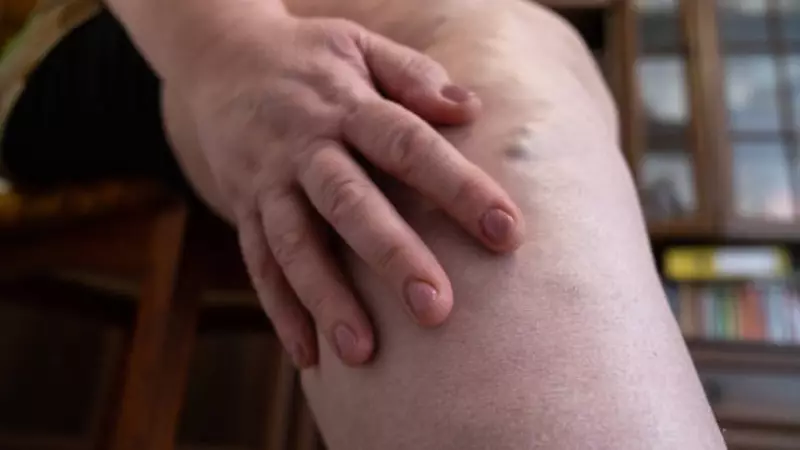
The skin over the area of the clot may feel warmer to the touch compared to the surrounding skin. Additionally, you might see redness, a bluish tint, or a darker patch, often around the calf or thigh. This warmth and colour change result from inflammation caused by the clot.
4. Sensation of Heaviness or Tightness
A feeling of pressure, heaviness, or tightness in the leg that doesn't ease with rest is another common, though sometimes subtle, early indicator of DVT.
5. Less Common but Notable Signs
Some people experience milder symptoms that are easy to dismiss, such as a faint throbbing sensation, veins that appear more prominent than usual, or discomfort that comes and goes. Even these mild signs warrant medical attention.
When to Seek Emergency Medical Help Immediately
If you experience any leg symptoms followed by shortness of breath, chest pain, coughing up blood, or a rapid heartbeat, it could indicate that a clot has travelled to your lungs. This is a pulmonary embolism, and you must call for emergency services without delay.
Who is at a Higher Risk of Developing DVT?
Understanding your risk factors can help you stay vigilant. You may have an elevated risk if you:
- Lead a sedentary lifestyle or sit for prolonged periods (e.g., long-distance travel, desk jobs).
- Have recently undergone surgery or suffered a significant injury.
- Are pregnant or have recently given birth.
- Use tobacco products.
- Are on hormone therapy or certain birth control pills.
- Have a personal or family history of blood clots or clotting disorders.
The US Centers for Disease Control and Prevention (CDC) emphasises that prompt medical care is essential. Early diagnosis and treatment can prevent death and serious complications. Treatment typically involves medications (anticoagulants) taken for several weeks or months to stop new clots from forming and allow the body to dissolve the existing one. In some cases, medical devices may be used to break up or capture the clot.
Do not ignore persistent, one-sided leg pain, swelling, or warmth. Consulting a doctor promptly if you notice these blood clot in leg symptoms could save your life.