

Budget 2026 Unveils Comprehensive Health Sector Transformation
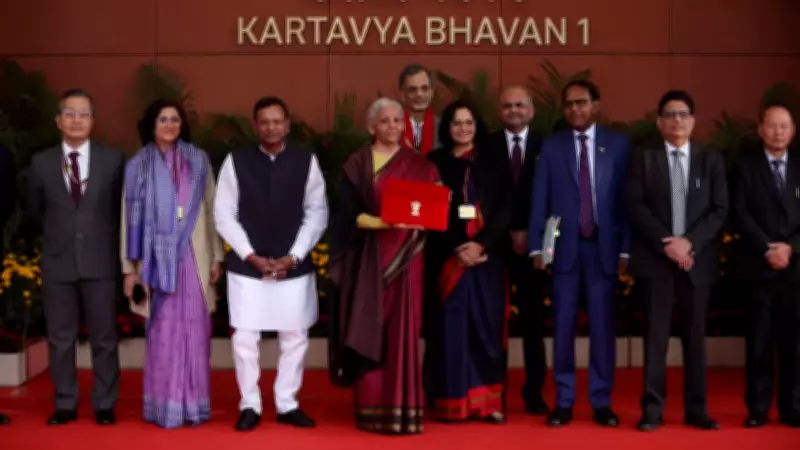
Union Finance Minister Nirmala Sitharaman has presented a visionary blueprint for India's healthcare future in Budget 2026, making significant announcements to position the country as a global leader in biopharmaceutical manufacturing, medical value tourism, and Ayurveda drug production. The comprehensive plan also includes substantial investments in allied health professional training to create new income avenues and address the nation's evolving healthcare needs.
Biopharma Shakti Mission: A Rs 10,000 Crore Initiative
At the heart of the budget's healthcare proposals lies the ambitious Biopharma Shakti Mission, which has been allocated Rs 10,000 crore over the next five years. This initiative aims to establish India as a manufacturing hub for complex biological drugs, including biologics and biosimilars. Sitharaman emphasized that this mission responds directly to India's shifting disease burden toward non-communicable conditions like diabetes, cancer, and autoimmune disorders, where biologic medicines play a crucial role in ensuring longevity and quality of life at affordable costs.
The mission will involve establishing three new National Institutes of Pharmaceutical Education and Research (NIPER) while upgrading seven existing institutions. Additionally, it will create a network of 1,000 accredited clinical trial sites essential for testing medicines before market introduction. To support this biopharma hub vision, the government will strengthen the Central Drugs Standard Control Organisation (CDSCO) to meet global standards and create a dedicated scientific review cadre to ensure compliance with international approval timeframes.

Allied Health Professionals: Training 1 Lakh Specialists
Sitharaman announced a major expansion of allied health professional training, with plans to upgrade existing institutions and establish new centers in both private and government sectors. Over the next five years, this initiative aims to train 1 lakh professionals across ten selected disciplines including optometry, radiology, anaesthesia, operation theatre technology, applied psychology, and behavioural health.
The finance minister also highlighted the creation of a robust "care system" for geriatric patients, acknowledging India's rapidly ageing population. According to government data, while only 8.6% of India's population was over 60 years in 2011, this figure is projected to increase to 19.5% by 2050, with absolute numbers rising from 103 million to 319 million. To address this demographic shift, programmes aligned with the National Skills Qualifications Framework will be developed to train multi-skill caregivers combining core care with allied skills in wellness, yoga, and medical assistive device operation.
Medical Value Tourism: Five Regional Hubs Planned
In a significant push to position India as a global healthcare destination, Sitharaman proposed a new scheme to establish five regional medical tourism hubs in partnership with the private sector. These "integrated healthcare complexes" will provide not only medical care but also incorporate education and research facilities, AYUSH centers, medical value tourism facilitation centers, and infrastructure for diagnostics, post-care, and rehabilitation.
The initiative builds on momentum generated since 2022 when medical value tourism was proposed at a Chintan Shivir, with subsequent discussions during India's 2023 G20 presidency. These hubs are expected to create diverse job opportunities for health professionals, including doctors and allied health specialists, while attracting international patients seeking quality healthcare services.
Ayurveda Boost: Global Traditional Medicine Expansion
Sitharaman announced substantial investments in Ayurveda, including establishing three new All India Institutes of Ayurveda (currently only one exists in New Delhi), strengthening pharmacies and laboratories, and upgrading the World Health Organization Global Traditional Medicine Centre in Jamnagar. The finance minister noted that post-COVID, Ayurveda has gained significant global acceptance and recognition, creating export opportunities that benefit both farmers growing medicinal herbs and youth involved in product processing.

To meet growing international demand, the government will upgrade AYUSH pharmacies and drug testing laboratories to higher certification standards while making more skilled personnel available. This comprehensive approach aims to promote evidence-based Ayurveda while creating economic opportunities across the value chain.
The Budget 2026 healthcare proposals represent a holistic approach to transforming India's health sector, combining traditional medicine strengths with modern biopharmaceutical innovation while addressing workforce development and demographic challenges through strategic investments and policy initiatives.





