

A Simple Outing Turns Painful: Inika's Swing Denial Exposes Deep Societal Flaws
When five-year-old Inika Sharma visited Sunder Nursery with her parents this weekend, what should have been a joyful family outing transformed into a heartbreaking confrontation that exposed society's troubling attitude toward differently-abled children. The young girl, who has overcome tremendous medical odds to reach this point in her life, was simply hoping to enjoy a swing like any other child.
The Incident That Shook a Family
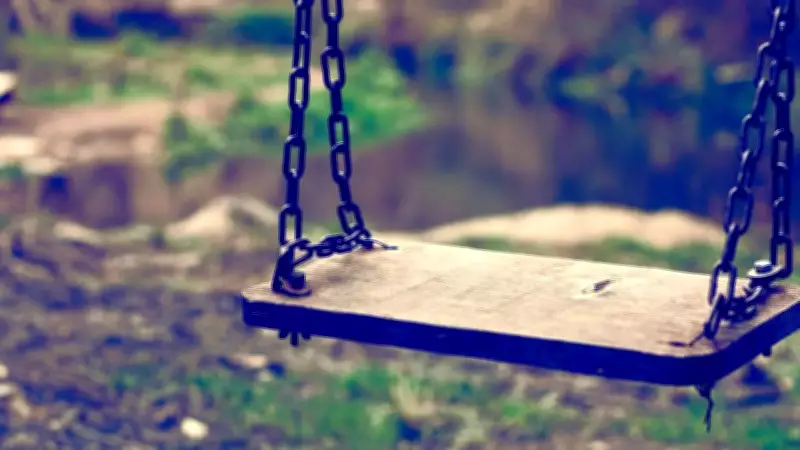
Inika approached the swing with typical childhood enthusiasm, only to be refused access by security personnel. When her parents, Mona Mishra and Raman Sharma, questioned this decision, the guard allegedly stated, "Bachche ka dimaag sahi nahi hai" - suggesting the child was not mentally sound. This casual, discriminatory remark sparked a painful verbal altercation that left the family shaken and other park visitors stepping in to support them.
"Till now, Inika thought she could do anything," her father Raman Sharma recalls with visible emotion. "But for the first time, her confidence was shaken. She became visibly upset and said, 'Papa, chalo, ye nahi karna mujhe' (Papa, let's go, I don't want to do this). My heart broke. This is exactly what we had been trying to prevent—that she should never believe there is anything in this world she cannot do."

Inika's Miraculous Journey Against All Odds
What makes this incident particularly poignant is Inika's extraordinary medical history. Born after a traumatic delivery where she became stuck during birth, Inika entered the world almost lifeless and spent her first ten days in intensive care without crying. Doctors delivered the bleakest possible prognosis: zero percent chance of survival, and if she did survive, she would likely remain bedridden for life with severe brain damage diagnosed as HIE Stage 3.
Against medical advice and after signing an affidavit, her parents took their daughter home and began therapy when she was just 17 days old. "The first few months were the hardest," her parents explain. "She couldn't swallow, suck, hold her neck up, or respond to anything. We gave up our personal lives completely—no social events, no outings, no breaks. We lived every second for her."
Through years of intensive therapy including traditional methods, NDT, hippotherapy, hydrotherapy, and treatments abroad, Inika gradually achieved what doctors said was impossible. She learned to smile, react to sounds, sit independently, stand, and eventually take her first wobbly steps—a moment her family describes as nothing short of miraculous.
The Larger Question of Societal Inclusivity
This incident raises fundamental questions about how prepared our society truly is to accommodate children with different abilities. If a child accompanied by her parents cannot access something as simple as a swing in a public park, what does this say about broader accessibility and inclusion?
How many public spaces genuinely reflect principles of inclusivity? How many parks have proper ramps for wheelchairs? How many highways feature accessible toilets? How often do we see genuine efforts to accommodate children who may not move, think, or learn like their peers?
Raman Sharma acknowledges the support they've received from his employer Larsen & Toubro, which offered flexible work hours, and from Mirambika School, which accepted Inika and played a crucial role in her development. "We need more schools like this," he emphasizes.
A Call for Empathy and Understanding
Inika's parents represent what unwavering determination, love, and positivity can achieve against overwhelming odds. They brought life and dignity to a child even medical professionals had given up on. Their story begs the question: Is it too much to ask society to meet them halfway with basic empathy, understanding, and humanity?
As a collective society, we must confront difficult questions about our readiness to accept children like Inika. Different children are not inferior children, yet our public infrastructure and social attitudes often suggest otherwise. The incident at Sunder Nursery serves as a microcosm of larger systemic failures in creating truly inclusive environments.

Inclusivity is frequently discussed in policy documents and public forums, but Inika's experience demonstrates how far we remain from genuine implementation. Acceptance should not present greater challenges than the medical miracles this family has already achieved. Their journey continues to inspire, even as it highlights how much work remains to create a society where every child can swing freely in the park.





