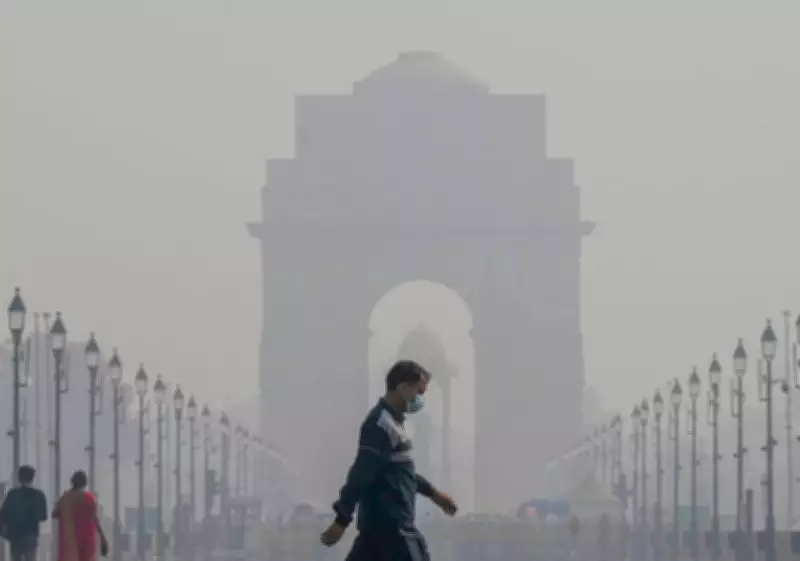
The Delhi government has taken a significant step in its fight against air pollution by appointing two scientists as analysts to study the sources of pollution in the national capital. The move aims to strengthen the scientific approach to understanding and mitigating the severe air quality issues that plague Delhi, especially during the winter months.
Role of the Newly Appointed Scientists
The two scientists, both experts in environmental science, will be responsible for analyzing data from various monitoring stations across Delhi. They will identify key pollution sources, such as vehicular emissions, industrial activities, and biomass burning, and recommend targeted interventions. Their findings are expected to guide policy decisions and help in formulating effective strategies to reduce pollution levels.
Background of the Appointment
The decision comes in response to the persistent public health crisis caused by poor air quality. Delhi has consistently ranked among the most polluted cities in the world, with levels of PM2.5 and PM10 far exceeding safe limits. The government has faced criticism for its handling of the issue, and this appointment is seen as a move to bring more scientific rigor to the problem.

Expected Outcomes
The analysts will work closely with the Delhi Pollution Control Committee (DPCC) and other agencies. They will produce regular reports and briefings for the government, highlighting pollution hotspots and the effectiveness of existing measures. Their work is expected to lead to more data-driven policies, such as stricter emission norms, better traffic management, and enhanced green cover.
This initiative has been welcomed by environmental activists and health experts, who have long called for a scientific approach to pollution management. However, some have expressed skepticism, noting that previous efforts have often fallen short due to lack of implementation and coordination among various departments.
Challenges Ahead
Despite the appointment, challenges remain. The scientists will need access to real-time data and cooperation from multiple government bodies. Additionally, the success of their recommendations will depend on political will and public cooperation. The government has assured that it will provide all necessary resources to support their work.
In conclusion, the appointment of two scientists as analysts marks a positive step toward tackling Delhi's pollution crisis. Their expertise could prove invaluable in devising evidence-based solutions to improve air quality and protect public health.